




Water and Wastewater Industry

Reliable pump, flow, and pressure control for infrastructure

The water and wastewater industry encompasses water supply, wastewater collection, pumping, treatment, and distribution systems, which are critically important for public health and environmental protection. In this industry, reliability, energy efficiency, and continuous process operation are essential, as any disruption can have serious consequences.

Modern water and wastewater automation solutions enable optimization of pumping processes, reduction of energy consumption, and extension of equipment service life, while ensuring stable service delivery.

What automation encompasses in the water and wastewater industry

In the water and wastewater industry, automation encompasses control of pumps, pressure maintenance systems, aeration, mixing, filtration, and distribution equipment. These systems must be able to adapt to changing flows, loads, and seasonality while maintaining consistent process efficiency.

Frequency inverters for water and wastewater systems

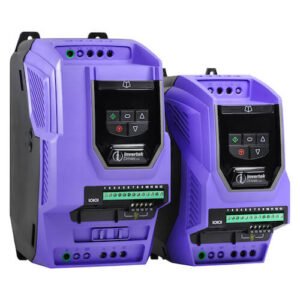
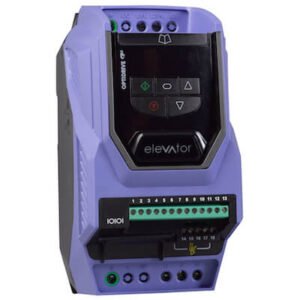
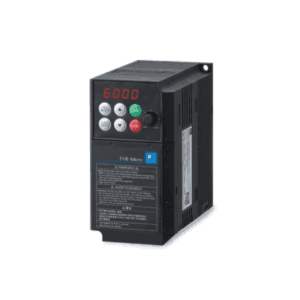
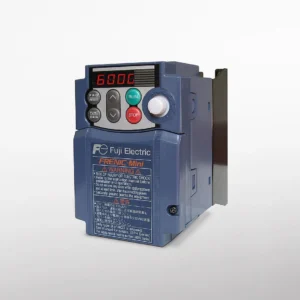
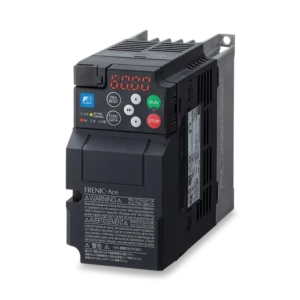
Frequency inverters are among the most important components in the water and wastewater industry, as they enable precise control of pump motor speed. This ensures optimal pressure and flow according to actual demand, significantly reducing energy consumption. Such control also helps reduce hydraulic shocks and mechanical wear.

Frequency inverters are widely used in water supply, wastewater pumping stations, pressure maintenance, and distribution systems.

Electric motors for water and wastewater applications

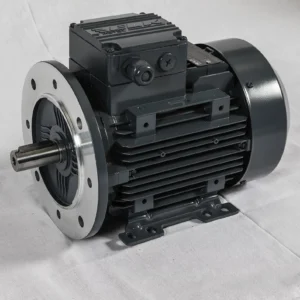
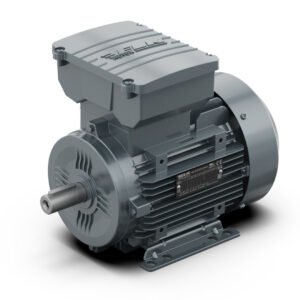
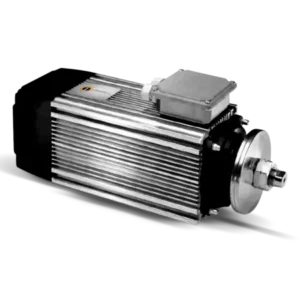
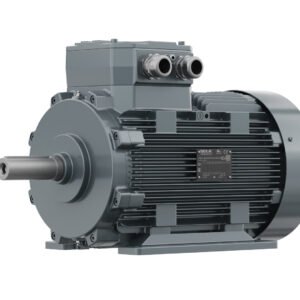
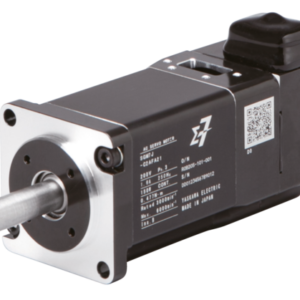
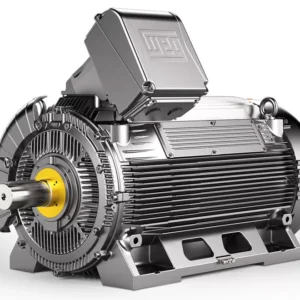
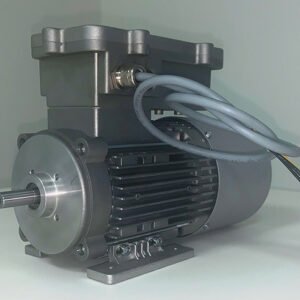
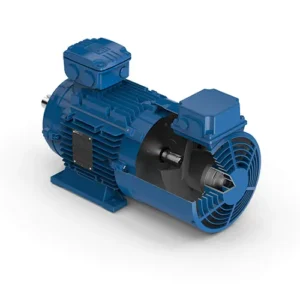
Electric motors in the water and wastewater industry often operate in continuous mode and under challenging environmental conditions. They are used in pumps, aerators, and mixing systems, where reliability is a critical factor.

The most commonly used are high energy class asynchronous motors, compatible with frequency inverters and adapted for operation in humid or aggressive environments.

Gearboxes and mechanical drives in water management

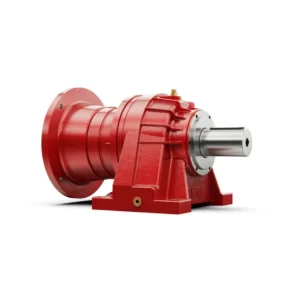
Gearboxes are used in the water and wastewater industry for mixing, aeration, and auxiliary mechanical systems. They ensure the required torque and stable motion transmission, even under high loads.

Robust and durable gearboxes are used, resistant to corrosion and designed for long service life.

Smart automation components for water and wastewater systems

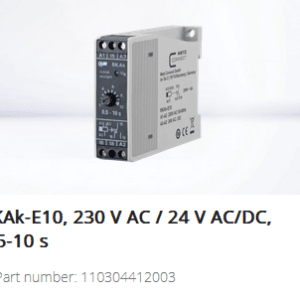
Smart automation components enable real-time monitoring and control of water and wastewater processes. They ensure stable pressure, flow, and level maintenance and enable rapid response to emergency situations.

PLC controllers, pressure and level sensors, HMI panels, and communication solutions enable integration of pumping stations and treatment facilities into centralized SCADA systems.

Water and wastewater automation – efficiency, reliability, and sustainability

The water and wastewater industry requires highly reliable, energy-efficient, and safe automation solutions. By using frequency inverters, electric motors, gearboxes, and smart automation components, it is possible to reduce energy consumption, ensure uninterrupted water supply, and extend equipment service life.

Product manufacturers for this industry

Articles about the Water and Wastewater Industry

Frequently Asked Questions (FAQ)

Water and wastewater industry automation encompasses pump, pressure, flow, and level control solutions. It enables uninterrupted water supply, efficient wastewater management, and reduced energy consumption.

Frequency inverters enable precise regulation of pump motor speed according to actual demand. This helps reduce energy consumption, avoid hydraulic shocks, and extend equipment service life.

Pumping systems account for approximately 20% of global electricity consumption. By using frequency inverters, energy consumption can be reduced significantly, especially in systems with variable flow and pressure.

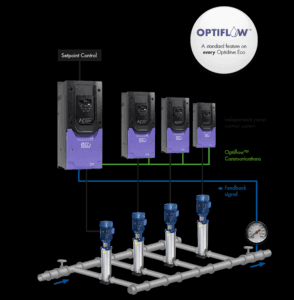
A single frequency inverter can control multiple pumps in duty, assist, or standby mode. This ensures stable pressure and uninterrupted water supply even during maintenance.

Frequency inverters can detect dry running or blockages based on motor load. In such cases, the system automatically stops the pump or initiates a blockage clearing cycle.

High energy class asynchronous motors are most commonly used. They are adapted for operation in humid environments and compatible with frequency inverters.

Smart automation components enable real-time monitoring of pressure, flow, and level. PLC and SCADA solutions help centrally manage pumping stations and respond quickly to emergency situations.

Pump priming and pressure control functions enable detection of leaks in the system. When a problem is detected, the pump is automatically stopped, thus avoiding greater losses.

Yes, frequency inverters and automation solutions are widely used for modernizing existing pumping systems. They enable improvement of energy efficiency without major mechanical modifications.

UPS, soft starters, active harmonic filters, and reliable control components are important. They ensure stable power supply and protect critical infrastructure.

Consultation

Professional consultation when choosing a product from a wide market selection.

Reliability

SIMEKSA provides top-quality automation components and professional expertise.

Quality

We offer only tested and reliable products. We collaborate with a number of well-known manufacturers from around the world.

Good Price

We always strive to offer our clients the highest quality equipment at a favorable price. It is important for us to understand your needs and receive feedback.