
Frequency Inverter for Water Pumps in Swimming Pools: Enhancing Energy Efficiency at the “Aquatic Centre” – An Application Analysis
-
Vitalijus Šimkus
- June 17, 2026
Pump Control Revolution with Advanced Variable Frequency Drive Technology
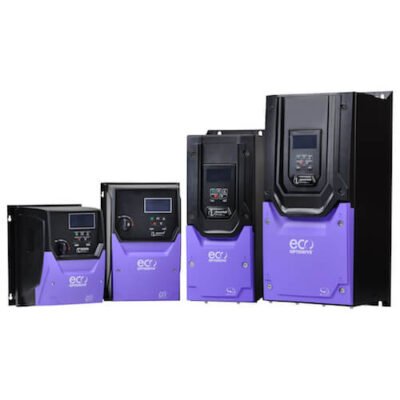
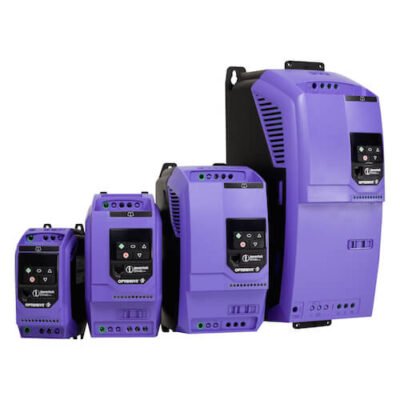
“City of Gosnells Aquatic Centre” In Western Australia, it exemplifies the immense impact of integrating frequency inverters for water pumps into industrial systems. By implementing Invertek Optidrive E3 frequency inverters, the facility set a benchmark for efficiency and energy savings in water management.
Key Benefits Achieved:
- Significant Energy Savings: The implementation of frequency inverters for water pumps led to a dramatic reduction in energy consumption. By precisely adapting pump speeds to demand, the Aquatic Centre achieved nearly 60% annual energy savings, which is valued as a significant cost reduction, approximately $43,000.
- Operational Efficiency: Variable frequency drives optimize pump operation, ensuring that pumps operate at ideal speeds. This not only reduces energy consumption but also extends equipment service life, thereby reducing maintenance costs and downtime.
- Enhanced Control and Flexibility: The ability to adjust pump speeds in real time provides unparalleled control over water flow and pressure, allowing the Aquatic Centre to meet diverse requirements without compromising efficiency or operational quality.
Future-Proofing Operations with Smart Integration
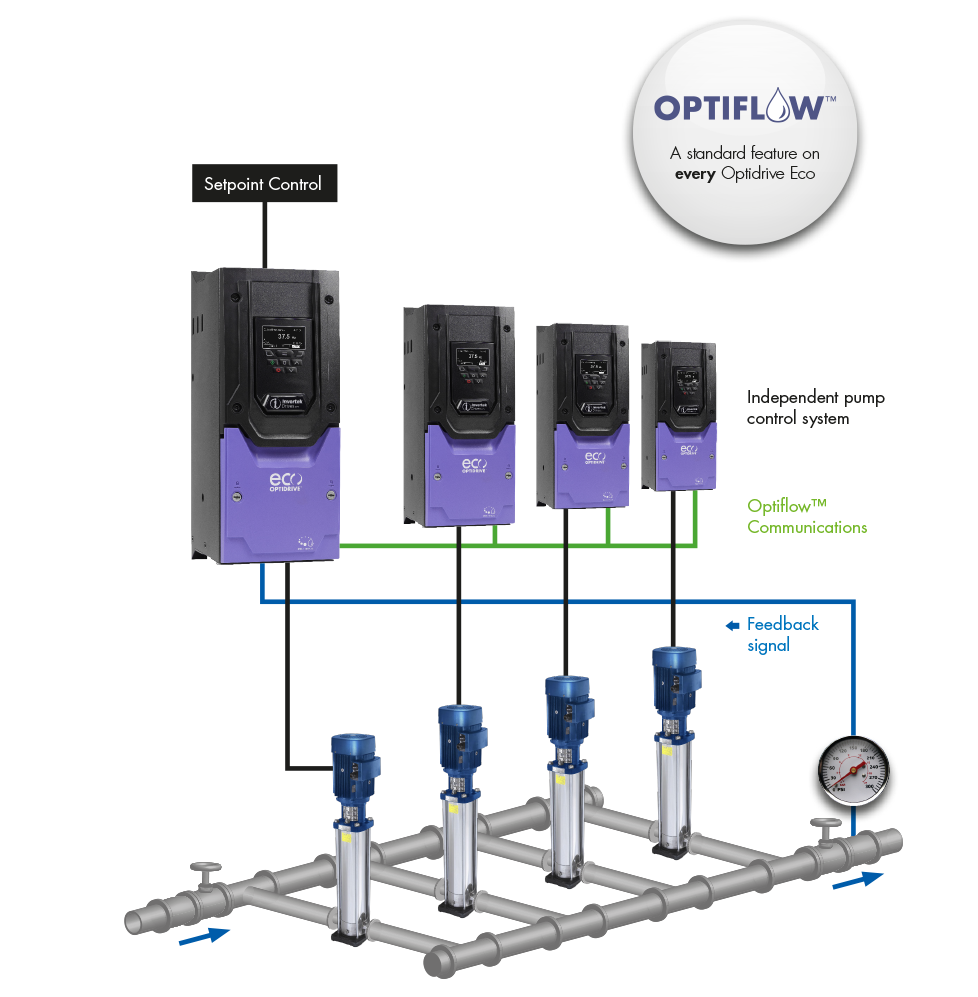
Variable frequency drives convert standard factory power (230 V or 400 V, 50 Hz) into adjustable voltage and frequency that powers an AC motor and regulates its speed. Compared to conventional systems using flow control valves, variable frequency drives reduce energy consumption and operating costs by matching pump or fan speed to actual demand. This also extends the service life of pumps and other equipment by protecting against unnecessary wear and reducing stress on mechanical components such as valves and shaft seals.
With growing awareness of energy conservation, variable frequency drives are widely used in the water industry to eliminate energy waste and improve operational performance. A study of six water supply systems using variable frequency drives showed that the new technology:
- saved 50% (+/-15%) energy,
- 20% (+/-5%) water,
- up to 10% heat,
- payback period from 5-7 months.
Beyond energy savings, variable frequency drives extend the service life of water pumps by reducing their speed. Operating at lower speeds, they eliminate sudden starts and stops that can damage mechanical components and lead to costly maintenance. They can even eliminate water hammer by limiting the pressure the pump can generate.
Another advantage is that the variable frequency drive can maintain the pressure required to meet the water system’s needs, thus preventing excessive pressure. This helps ensure optimal system performance and fewer problems such as water leaks and premature switch failure or fuse burnout. The variable frequency drive also helps protect the environment by reducing the environmental impact of water pollution.
Conclusion: The Strategic Value of Frequency Inverters for Water Pumps
These advantages underscore the strategic value of integrating variable frequency drive technology into pump systems to achieve energy consumption efficiency, operational excellence, and ensure future operational readiness through smart integration with IT networks.