Electric motors

In collaboration with global motor manufacturers

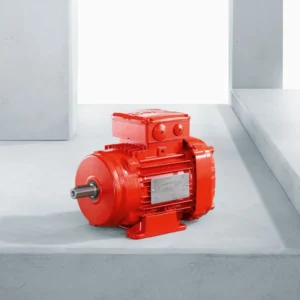
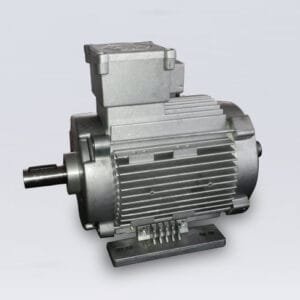
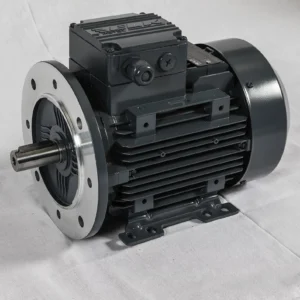
we supply three-phase and single-phase electric motors compliant with IEC, GOST, and NEMA standards. We provide consultation on motor selection, operation, and fault prevention.

UAB Simeksa is a partner of one of the leading companies in electric drive technologies – EMZ. This company, with offices in Germany, France, and Switzerland, is renowned for high product quality, fast delivery, and flexibility. EMZ solutions are valued for their flexibility, reliability, and rapid integration into various industrial processes – from energy to production line modernization.

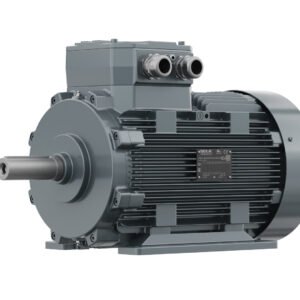
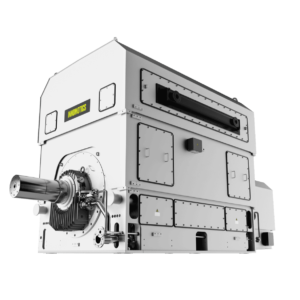
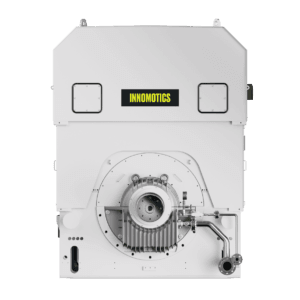
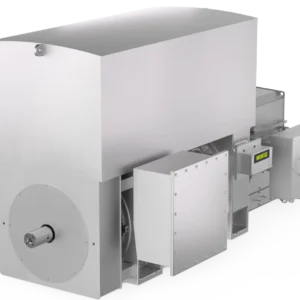
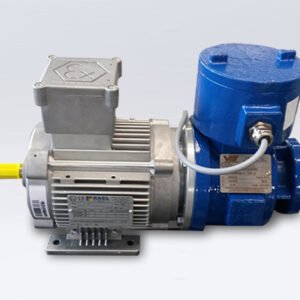
Various motor configurations are available depending on operating conditions and environmental impact. We supply motors designed for operation in explosive atmospheres (ATEX classification).

KEY MOTOR CHARACTERISTICS:

  • Frequency: 50/60 Hz;
  • Power range: from 0.09 kW to 500 kW;
  • Efficiency classes: IE1/IE2/IE3/IE4;
  • Frame: aluminum or cast iron;
  • Supply voltage: from 220 V to 690 V (low voltage) and from 2.3 kV to 10 kV (medium voltage);
It seems we can't find what you're looking for.

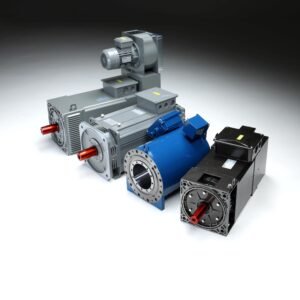
Types of motors supplied:

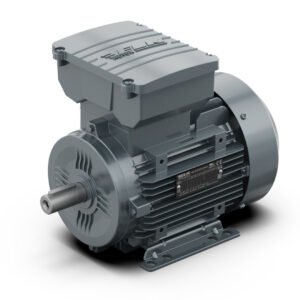
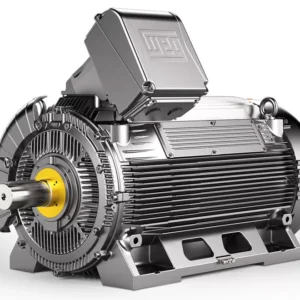
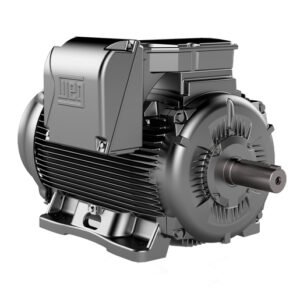
  • Three-phase asynchronous electric motors – the most widely used motors in industry, compliant with global manufacturing standards (IEC, NEMA, GOST).
  • High-efficiency motors – Permanent magnet motors; Synchronous reluctance motors.
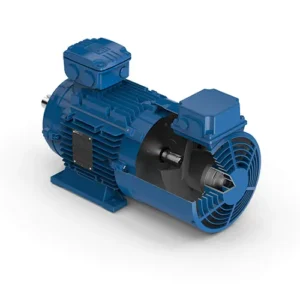
  • Motors with brakes – used in equipment requiring rapid stopping due to short process cycles or safety requirements;
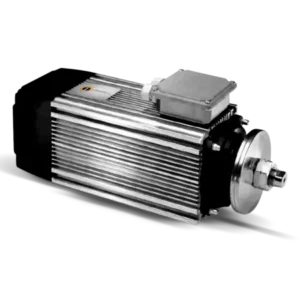
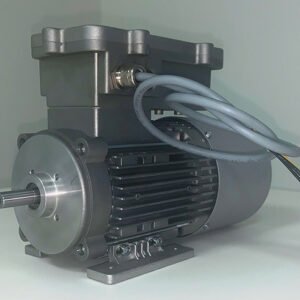
  • Low-center motors – motors with narrower frame construction that, due to reduced shaft height from the base, are typically used in cutting, drilling, and milling machines;
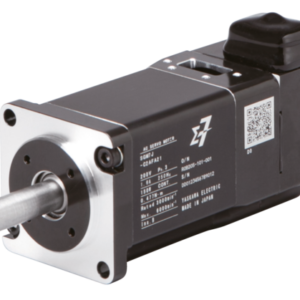
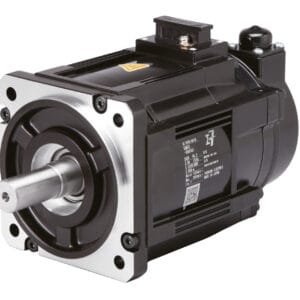
  • Servo motors – widely used in high-precision positioning systems;
  • Motors for operation in explosive atmospheres (ATEX classification);
  • Motors for lifting mechanisms – motors with specially adapted designs for cranes, elevators, and hoists;
  • Two-speed motors;
  • Special design motors – reduced frame size or increased output, special dimensions, operation at high ambient temperatures, etc.

How to select the most suitable electric motor

When purchasing an electric motor, we always strive to evaluate the criteria of reliable operation and operational longevity. However, for a motor to operate for many years, it must be correctly selected according to operating conditions. Sometimes these conditions are not adequately assessed. Below we provide several key criteria to consider when selecting an electric motor.

Environmental impact on electric motors

In certain industrial manufacturing sectors, the motor must operate reliably under challenging environmental conditions: in dusty or humid environments or even at high temperatures. Each of these environmental factors affects motor longevity if the motor is not properly protected.

Dustiness is characteristic of the woodworking industry, agriculture (grain crops), and certain loading sectors. Humidity can vary greatly. This may include water vapor, aggressive chemicals in liquid or vapor form, high-pressure washing of motors in the food industry, etc.

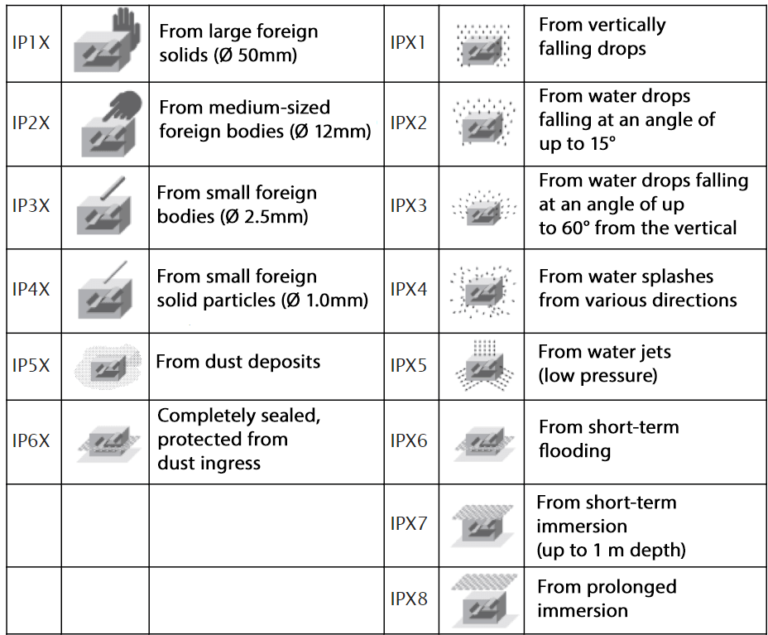
Motor protection against dust and moisture is classified by IP protection classes, which specify protection against solid particle ingress into the motor and liquid penetration, respectively.

As standard, most motors are manufactured for continuous operation under ambient conditions from –20°C to +40°C and at altitudes up to 1,000 m above sea level.

When selecting a motor for operating conditions that exceed the specified values, attention should be paid to the motor manufacturer’s recommendations.

Some of the most commonly used solutions are a higher motor insulation class or motor power correction.

electric motor dustiness
electric motor use
IP Protection Classes

Proper electric motor operation

insulation class

To protect the motor from overheating, PTC thermistors, PT-100 thermal resistance, or bimetallic contacts are typically used. PT-100 is also commonly used for bearing temperature monitoring.  


When there is a significant temperature change during motor operation (for example, operating the motor outdoors in winter with intermittent duty), condensation may form inside the motor, which affects winding insulation longevity. To prevent condensation formation, space heaters are used in the motor. In aggressive industrial environments with high temperatures and sudden temperature changes, to ensure motor winding longevity, the windings are additionally coated with epoxy-based protective paints (for example, motor operation in wood drying kilns).

Motor operation with frequency inverter and motor cooling specifics

When there is a need to control motor speed depending on different operating modes, a frequency inverter is used. However, it should not be forgotten that when operating at lower frequencies (reducing motor speed), the motor’s self-ventilation also decreases, so the motor may heat up more.

The simplest solutions to avoid motor overheating are the use of forced motor cooling (IC 416) or selecting motor rated power with a safety margin.

Recommendations from different motor manufacturers regarding the minimum frequency from which additional cooling should be used for the motor operating in continuous duty mode (S1) vary, so when selecting a motor for operation at low frequencies, it is advisable to consult with a specialist.

Typically, these recommendations range from 15 Hz to 30 Hz as the minimum frequency limit where additional cooling is not yet required.

Forced motor cooling is also widely used when the motor operates in very short cycles (frequent motor starting/stopping).

If you are looking for an electric motor with a frequency inverter or have questions related to their selection, please contact us for a free consultation.

Motor bearings, radial and axial loads

Electric motors are typically manufactured with ball bearings at the front and rear. Motors with this configuration meet the majority of industrial manufacturing needs. However, there is another segment of industrial processes where high radial or axial forces are encountered, and standard motor configurations are insufficient to withstand these forces.

Most often, these are manufacturing processes driven by higher-power motors (starting from frame size 160).

One of the most common examples of radial force acting on an electric motor in industrial equipment is belt drive. When the radial force is greater than the permissible radial load for ball bearings, a cylindrical roller bearing is installed at the front of the motor.

Axial load typically occurs when operating the motor in a vertical position with a load mounted on the motor shaft (this may be a fan, large-diameter pulley, etc.). When the axial load exceeds the permissible ball bearing load, a thrust bearing is used.

Thus, we have briefly reviewed several key criteria that should be evaluated when selecting an electric motor. If you have additional questions related to motor selection, maintenance, or faults during operation, we will be happy to assist you.

FAQ

Motor power is selected according to equipment load and operating mode. If the motor will be continuously operated at maximum capacity, it is recommended to choose a higher-power model to ensure reliability and longer service life.

Asynchronous motors are simpler, more reliable, and suitable for most general-purpose equipment, while synchronous motors feature higher efficiency and more precise speed maintenance – more commonly used in industrial processes where precision is required.

The most important are power, voltage, speed, protection class (IP), mounting type, and operating environment conditions.

In some cases – yes, if the motor mounting dimensions match. However, if the entire assembly is being replaced, it is often possible to increase system efficiency and reduce operating costs.

These are international energy efficiency classes. IE1 is the lowest, IE4 is the highest. A higher class means lower electricity consumption, longer service life, and reduced heat generation, but a higher initial cost.

An ATEX-certified motor is necessary when equipment operates in potentially explosive atmospheres (e.g., chemical plants, grain warehouses, oil refineries).

Such motors are used when a mechanism needs to be stopped quickly, for example, in lifting equipment, conveyors, or cutting machines, to ensure safety and precision.

The IP class is selected according to the operating environment: IP55 is suitable for dusty and humid conditions, IP65 for strong water exposure, and IP23 for dry rooms.

Consultation

Professional consultation when choosing a product from a wide market selection.

Reliability

SIMEKSA provides top-quality automation components and professional expertise.

Quality

We offer only tested and reliable products. We collaborate with a number of well-known manufacturers from around the world.

Good Price

We always strive to offer our customers the highest quality equipment at a favorable price. It is important to us to understand your needs and receive feedback.