
Gearboxes

Are you looking for reliable drive systems? Collaborating with global manufacturers, we supply high-quality industrial gearboxes and geared motors. Our standard and specialized gearboxes for industry ensure long-term and uninterrupted operation of equipment even under the most challenging conditions.

Key Features:

  • Torque: from 5 to 470,000 Nm

  • Gear Ratio: from 3 to 3000

  • Output Speed: from 0.1 to 600 rpm

Application and Consultations: We assemble equipment according to your operational and installation conditions, including solutions for explosive environments (ATEX classification). We provide consultations on equipment selection and fault prevention, helping you find the most efficient and durable solution for your production.

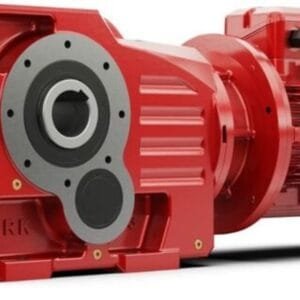
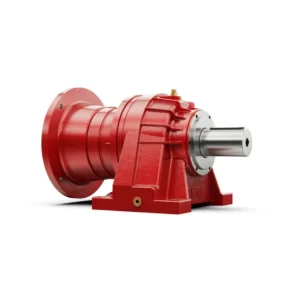
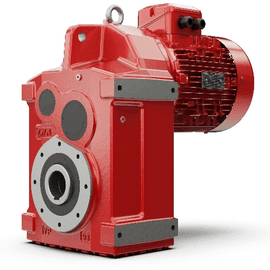
MAIN GEARED MOTOR TYPES:

Geared Motor Selection

It is common to select gearboxes based on the required torque or electric motor power. However, another important parameter, the gearbox service factor, which determines durability and suitability for operation under specified working conditions, should not be overlooked.

The selection of the service factor depends on the type of equipment it will drive, the load size, and the intended duty cycle (number of operating hours, and frequency of starts/stops). Environmental temperature and potential overloads or vibrations should also be considered.

If you are looking for a geared motor or have questions related to their selection, maintenance, or operational failures, we will be happy to assist you.

service-factor

Example of a service factor selection chart, where load

types are:

A – uniform, light-duty load (e.g., fans, bulk material conveyors, etc.)

B – uneven, medium-duty load (e.g., centrifugal pumps, woodworking centers, etc.)

C – variable load, shock load (e.g., various presses, shredders, etc.).

Worth Noting

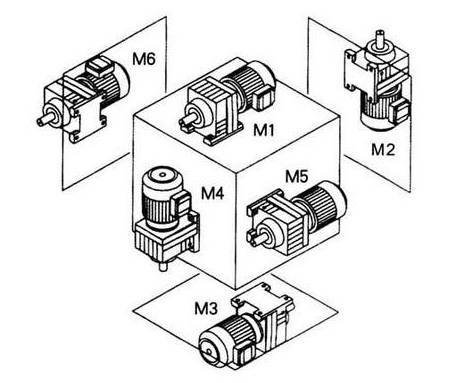
Correct equipment selection does not always guarantee proper operation. In practice, situations often arise where geared motors are installed in an incorrect position. These mechanisms have several different mounting positions, and, depending on the design features, the required oil (lubricant) level often depends on this.

Therefore, even before purchasing the drive, it is very important to anticipate how it will be operated. The factory-specified mounting position is usually indicated on the product’s technical plate and in the specification.

Breather Maintenance and Common Mistakes

Another important element (especially in larger models) is the breather, whose purpose is to release pressure that accumulates during operation. In practice, two main mistakes related to this component are identified:

  • Unopened channel after transportation. During transportation, the breather is “closed” with a rubber clamp to prevent oil leakage. When preparing the equipment for operation, this channel must be opened (the clamp removed), but this is often forgotten. In such a case, the accumulated pressure has nowhere to escape, starts pushing the seals, which can eventually lead to oil leakage.

  • Unchanged breather position. When changing the mounting position of the mechanism, the breather itself is often forgotten to be relocated—it must always be at the highest point. If this is not done, the channel becomes clogged with lubricant and loses its function. The pressure inside the system increases again, raising the likelihood that oil will leak to the outside.

Gearbox
breather

FAQ

Helical gearboxes are suitable for high loads and direct drives. Bevel gearboxes are used when the direction of rotation needs to be changed at a right angle. Worm gearboxes are quiet and designed for precise work under medium loads.

The gear ratio depends on the desired output shaft speed and motor speed. For example, if the motor rotates at 1500 rpm and 150 rpm is required, the gear ratio should be 10:1.

Yes, but it is important to ensure that the shaft diameters, mounting type, and direction of rotation match the existing equipment.

Regularly check the oil level, seal condition, and listen for unusual noises. Oil changes are recommended according to the manufacturer's instructions.

Aluminum housings are lighter and dissipate heat better, while steel housings are stronger and more impact-resistant, making them more suitable for heavy-duty conditions.

Yes, some designs (e.g., bevel gearboxes) allow for direction change, while other models can be equipped with reversing capabilities.

Increased noise, vibration, oil leakage, or overheating usually signal a potential failure.

If the main gears or housing are damaged, replacing the entire gearbox is usually more economical. If the problem is only with bearings or seals, their replacement may suffice.

Consultation

Professional consultation when choosing a product from a wide market selection.

Reliability

SIMEKSA provides top-quality automation components and professional expertise.

Quality

We offer only tested and reliable products. We collaborate with a number of well-known manufacturers from around the world.

Good Price

We always strive to offer our clients the highest quality equipment at a favorable price. It is important for us to understand your needs and receive feedback.