


Elevator Industry

Smooth, safe, and energy-efficient elevator control

The elevator industry encompasses passenger and freight elevator systems in residential, commercial, and industrial buildings. In this field, ride comfort, precise stopping, and absolute reliability are paramount, as elevators perform thousands of duty cycles daily.

Modern elevator automation solutions ensure smooth, quiet, and safe movement, optimize energy consumption, and comply with stringent safety and operational standards.

What automation encompasses in the elevator industry

In the elevator industry, automation encompasses control of lifting, braking, speed, position, and safety systems. All components must operate synchronously to achieve a high level of ride comfort and precise elevator car control.

Frequency inverters for elevator systems

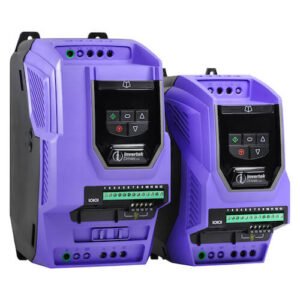
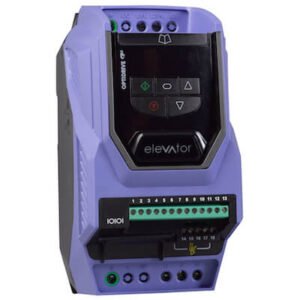
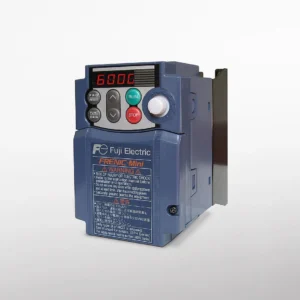
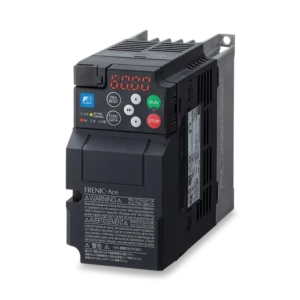
Frequency inverters are one of the most critical elevator control components, ensuring smooth and precise car movement. They enable control of speed, acceleration, and braking so that the ride is quiet and jerk-free. This directly affects passenger comfort and safety.

In elevator applications, frequency inverters ensure precise start/stop control, electric braking, accurate leveling, and motor brake control, even with a high number of starts and stops per hour.

Electric motors for elevator applications

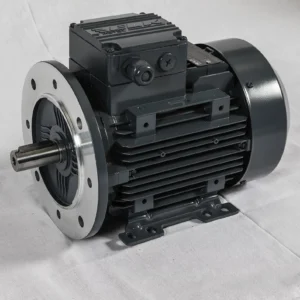
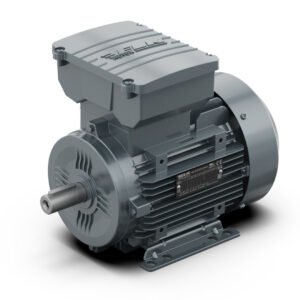
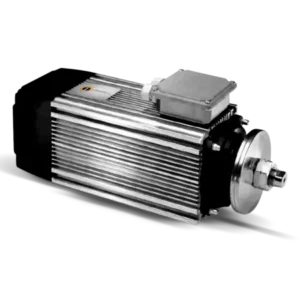
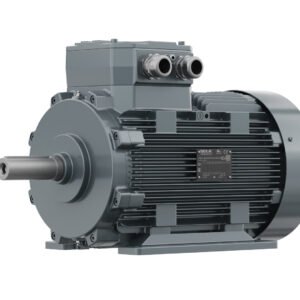
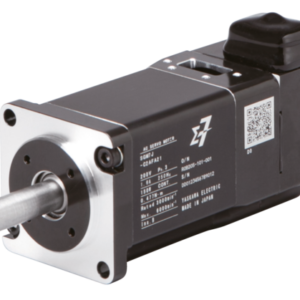
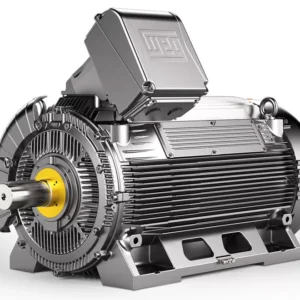
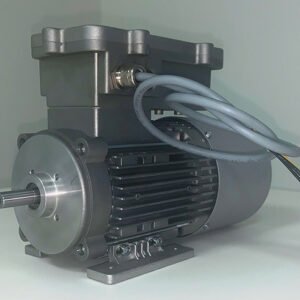
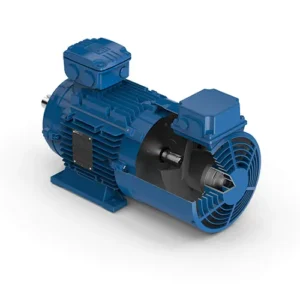
Electric motors in the elevator industry must operate with exceptional reliability and stability even under intensive duty cycles. They constantly experience frequent starts, stops, and load changes, so motor quality directly affects the longevity of the entire system.

Elevators use asynchronous and synchronous motors, often with encoders, which enable high ride comfort and precise position control.

Gearboxes and mechanical drives in elevators

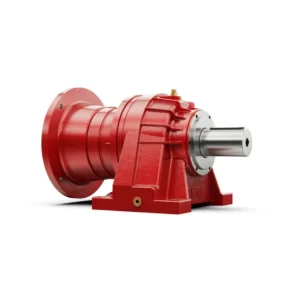
Gearboxes in elevator systems ensure precise and smooth motion transmission. They are particularly important in geared elevators, where stable torque and longevity under continuous load cycles are required.

Compact, quietly operating gearboxes are used, compatible with elevator motors and frequency inverters, to ensure smooth operation and reduce vibrations.

Smart automation components for elevator systems

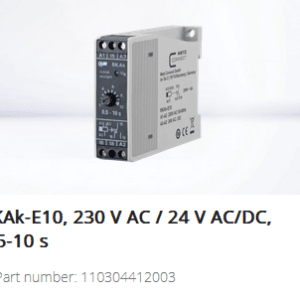
Smart automation components form the foundation of elevator control and safety. They enable real-time monitoring of speed, position, load, and system status. This is essential for safe and reliable elevator operation.

PLC controllers, sensors, HMI panels, and communication solutions enable integration of elevators into building management systems (BMS) and ensure efficient maintenance.

Elevator automation – comfort, precision, and safety

The elevator industry demands the highest level of control precision and safety solutions. By using properly selected frequency inverters, electric motors, gearboxes, and smart automation components, it is possible to ensure smooth rides, precise stopping, and reliable elevator operation throughout its service life.

Product manufacturers for this industry

Posts about the Elevator Industry

Frequently Asked Questions (FAQ)

Elevator industry automation encompasses solutions for controlling elevator motion, speed, braking, and safety. It includes frequency inverters, electric motors, gearboxes, and smart automation components that ensure precise and reliable elevator operation.

Frequency inverters enable precise control of elevator speed, acceleration, and braking. This ensures smooth rides, quiet operation, and precise stopping, which are essential passenger comfort criteria.

By using advanced speed profiles and S-ramps, frequency inverters reduce jerking during starting and stopping. This allows the elevator car to move smoothly and without unpleasant vibrations.

Precise leveling ensures that the elevator car stops exactly level with the floor. This is important for both passenger safety and comfortable movement, especially for people with mobility impairments.

Elevators use asynchronous and synchronous electric motors, often with speed and position feedback. They are designed to withstand a high number of starts and stops and operate in conjunction with frequency inverters.

Gearboxes are used in geared elevators where stable torque transmission is required. They help ensure smooth movement and reduce mechanical loads on the motor.

Automation solutions enable real-time monitoring of speed, load, and system status. Safety functions of frequency inverters and smart control components help prevent hazardous situations.

Smart automation components form the foundation of elevator control and diagnostics. PLCs, sensors, and HMI panels enable rapid fault detection and efficient maintenance planning.

Yes, automation solutions are often used to modernize existing elevators. By upgrading drives and control components, it is possible to improve ride comfort, safety, and energy efficiency.

UPS for emergency power, active harmonic filters, and quality control components are important. They ensure reliable elevator operation even during power grid disturbances.

Consultation

Professional consultation when choosing a product from a wide market selection.

Reliability

SIMEKSA provides top-quality automation components and professional expertise.

Quality

We offer only tested and reliable products. We collaborate with a number of well-known manufacturers from around the world.

Good Price

We always strive to offer our clients the highest quality equipment at a favorable price. It is important for us to understand your needs and receive feedback.