


Refrigeration Industry

Energy-efficient temperature and compressor control

The refrigeration industry encompasses temperature-controlled systems used in food and beverage production, retail, logistics, pharmaceuticals, data centers, and industrial applications. In this field, high reliability, energy efficiency, and precise temperature maintenance are crucial to meet safety and sustainability requirements.

Modern refrigeration automation solutions enable reduced energy consumption, improved system stability, and extended equipment service life, even under highly variable load conditions.

What refrigeration industry automation encompasses

In the refrigeration industry, automation encompasses control of compressors, fans, pumps, cooling circuits, and temperature control systems. These systems must be able to respond precisely to changing load requirements and ensure stable processes without frequent starts and stops.

Frequency inverters for refrigeration systems

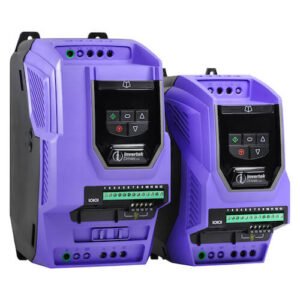
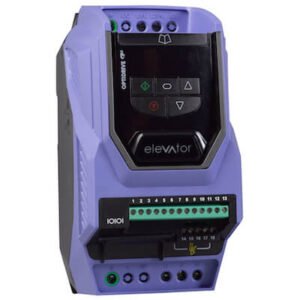
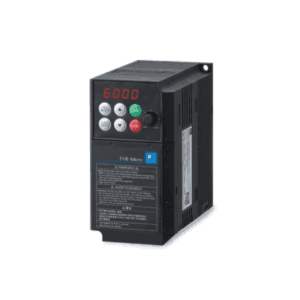
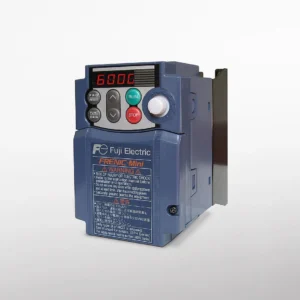
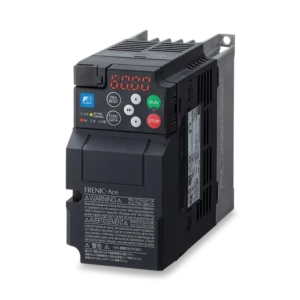
Frequency inverters are one of the most important components in modern refrigeration systems. They enable precise regulation of compressor speed and cooling capacity according to actual system demand. This significantly reduces energy consumption and improves the system’s COP (coefficient of performance).

In refrigeration applications, frequency inverters are used for controlling compressors, condenser fans, and auxiliary systems, eliminating inefficient on-off operating modes.

Electric motors for refrigeration applications

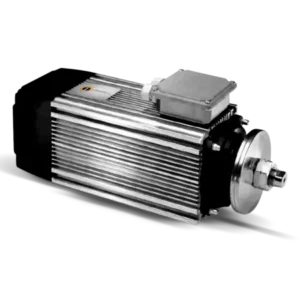
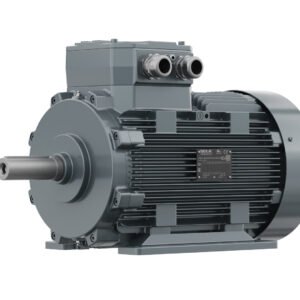
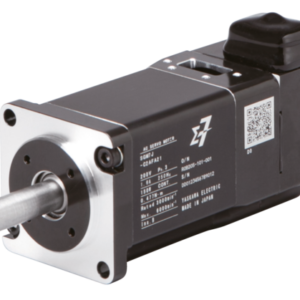
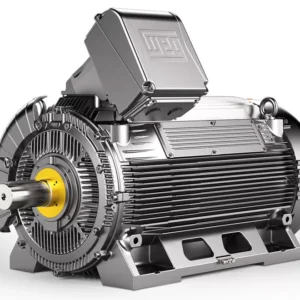
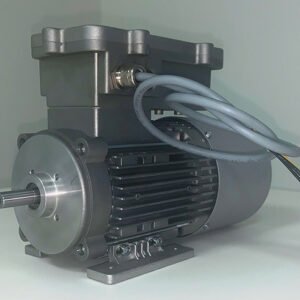
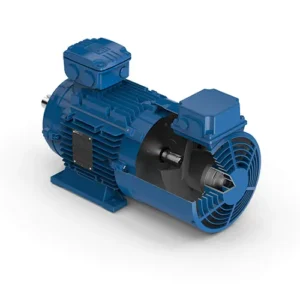
Electric motors in the refrigeration industry must operate reliably, often in continuous mode. They are used in compressors, fans, and pumps, where even a brief failure can have serious consequences for the entire process.

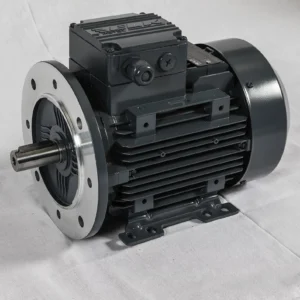
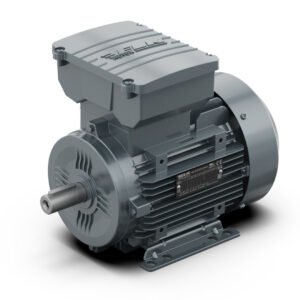
Most commonly used are high energy class asynchronous motors, compatible with frequency inverters and designed for variable speed operation.

Gearboxes and mechanical drives in refrigeration systems

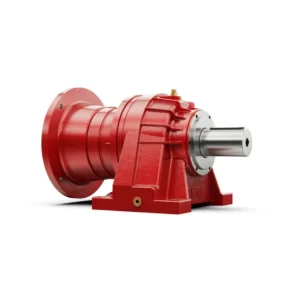
Gearboxes in the refrigeration industry are used in auxiliary mechanical systems where precise torque transmission and stable speed are required. They help optimize mechanical operation and reduce component wear.

Compact and reliable gearboxes are used, designed for operation with fan or conveyor systems.

Smart automation components for refrigeration systems

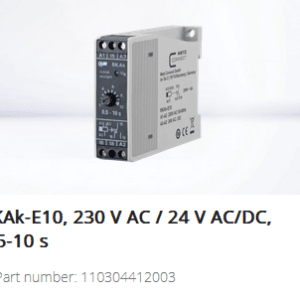
Smart automation components enable real-time monitoring and control of refrigeration processes. They ensure stable temperature maintenance, rapid response to load changes, and preventive fault diagnostics.

PLC controllers, pressure and temperature sensors, HMI panels, and communication solutions enable integration of refrigeration systems into building or production management systems.

Refrigeration automation – efficiency, stability, and reliability

The refrigeration industry requires highly reliable, precise, and energy-saving automation solutions. By using frequency inverters, electric motors, gearboxes, and smart automation components, it is possible to precisely adapt cooling capacity to actual demand, reduce energy consumption, and extend equipment service life.

Product manufacturers for this industry

Posts about the Refrigeration Industry

Frequently Asked Questions (FAQ)

Refrigeration industry automation encompasses control of compressors, fans, pumps, and temperature control systems. It ensures stable refrigeration processes, energy efficiency, and compliance with food and safety requirements.

Frequency inverters enable precise regulation of compressor speed according to actual refrigeration demand. This helps reduce energy consumption, improve system COP, and eliminate inefficient on-off operating modes.

By regulating compressor speed, the number of starts and mechanical wear are reduced. This helps extend compressor service life and reduce the risk of failures.

Frequency inverters are used in refrigeration compressors, condenser and evaporator fans, pumps, and refrigerated display cases. They are particularly important in food retail, industrial, and data center systems.

Smart control solutions enable precise regulation of cooling capacity based on pressure or temperature sensor data. This reduces temperature fluctuations and improves product safety.

The refrigeration industry most commonly uses high energy class asynchronous motors. They are designed for continuous operation and are compatible with frequency inverters.

Using frequency inverters, compressor speed can be safely increased above nominal frequency. This provides up to 20–40% additional cooling capacity without additional mechanical equipment.

Every precise adjustment of cooling capacity reduces excess energy consumption. It is estimated that every 1 K improvement in temperature stability can reduce energy consumption by approximately 4%.

PLCs, sensors, and HMI panels enable real-time monitoring of system status. This helps respond quickly to failures and perform preventive maintenance.

UPS systems, active harmonic filters, soft start solutions, and reliable control components are important. They ensure stable power supply and protect sensitive refrigeration equipment.

Consultation

Professional consultation when choosing a product from a wide market selection.

Reliability

SIMEKSA provides top-quality automation components and professional expertise.

Quality

We offer only tested and reliable products. We collaborate with a number of well-known manufacturers from around the world.

Good Price

We always strive to offer our clients the highest quality equipment at a favorable price. It is important for us to understand your needs and receive feedback.