




Printing Industry

Precise speed, tension, and process control in printing lines

The printing industry includes commercial, industrial, and packaging printing, where the most important factors are high print quality, process stability, and production efficiency. In this industry, even minor fluctuations in speed or tension can directly affect the quality of the final product and lead to defects.

Modern printing automation solutions enable precise motion control, process synchronization, and reduced energy consumption, ensuring consistent print quality even under intensive operating conditions.

What does automation in the printing industry include?

In the printing industry, automation includes the control of printing machines, web and sheet feeding, tensioning, drying, and transport systems. All these processes must operate synchronously to achieve accurate ink transfer and uniform print quality throughout production.

Frequency Inverters for the Printing Industry

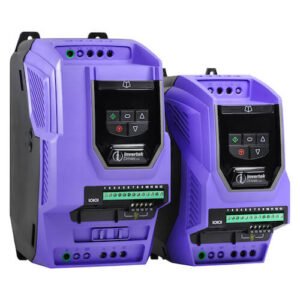
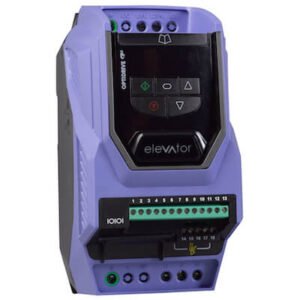
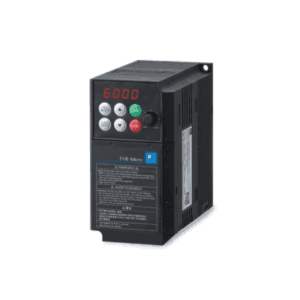
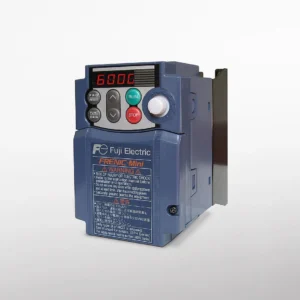
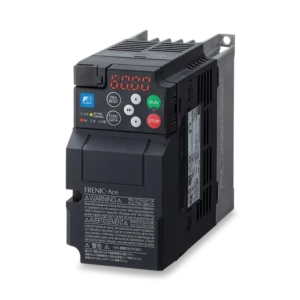
Frequency inverters are one of the most crucial components in printing equipment, allowing for extremely precise control of motor speed and torque. They ensure smooth acceleration and braking, prevent jerking, and help maintain constant process stability. This is especially important in high-quality and high-speed printing lines.

In the printing industry, frequency inverters are widely used in printing presses, web and sheet feeding mechanisms, tensioning systems, conveyors, and auxiliary equipment.

Electric Motors for Printing Applications

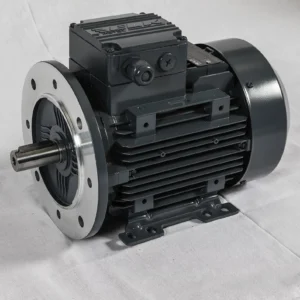
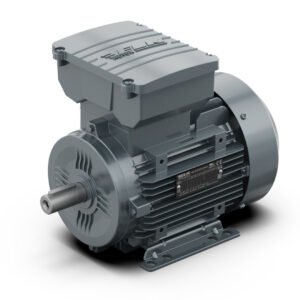
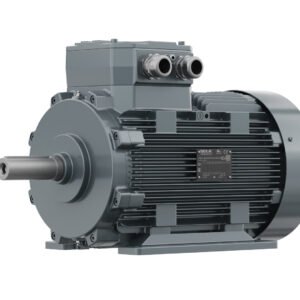
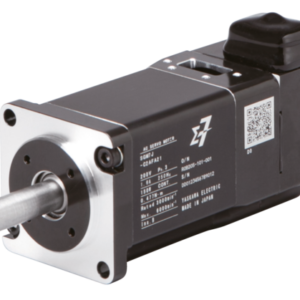
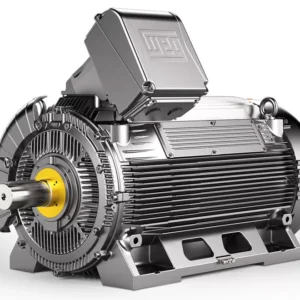
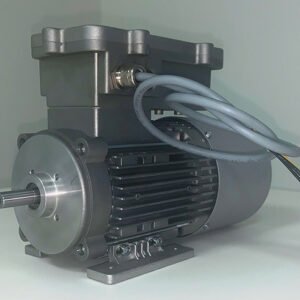
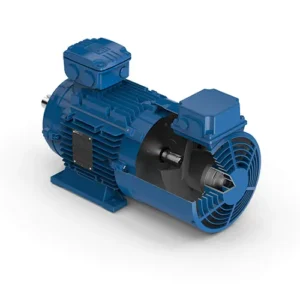
Electric motors in the printing industry must ensure constant speed, quiet operation, and reliability. They operate continuously, often with frequent speed changes, making their compatibility with frequency inverters and resistance to load variations crucial.

High-efficiency asynchronous motors are most commonly used, adapted for variable speed operation and intensive production cycles.

Gearboxes and Mechanical Drives in Printing Equipment

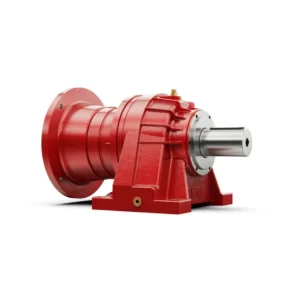
Gearboxes in the printing industry ensure precise motion transfer between the motor and the mechanism. They are particularly important in web, feeding, and conveyor systems where smooth, vibration-free operation is essential.

Compact and quiet-operating gearboxes are used to help maintain constant speed and reduce mechanical wear.

Smart Automation Components for Printing Systems

Smart automation components enable precise coordination of all stages of the printing process. They ensure real-time monitoring, rapid response to changes, and stable operation of the entire system. This is crucial for high-quality and high-performance printing lines.

PLCs, sensors, HMI panels, and communication solutions allow for the integration of printing equipment into a general production or line control system.

Printing Automation – Quality, Precision, and Efficiency

The printing industry demands high precision, stability, and energy efficiency. By using appropriately selected frequency inverters, electric motors, gearboxes, and smart automation components, it is possible to ensure high print quality, reduce waste, and optimize production costs.

Product manufacturers for this industry

Articles about the Printing Industry

Frequently Asked Questions (FAQ)

Printing industry automation includes solutions for printing devices, material feeding, and motion control. It encompasses frequency inverters, electric motors, gearboxes, and smart automation components, ensuring a stable and precise printing process.

Frequency inverters allow for extremely precise control of motor speed and torque. This helps maintain consistent print quality, reduce waste, and protect equipment from sudden mechanical loads.

Frequency inverters are used in printing presses, web feeding and tensioning systems, conveyors, and auxiliary equipment. Synchronized and stable motion control is essential in these applications.

Precise speed and torque control help prevent banding, ink bleeding, or image misalignment. Frequency inverters allow for quick real-time process adjustments, maintaining high print quality.

Proper tension control ensures uniform material feeding and precise printing. Frequency inverters regulate motor speed to maintain constant tension throughout the process.

High-efficiency asynchronous motors are most commonly used in the printing industry. They are adapted for operation with frequency inverters and for intensive production cycles.

Gearboxes ensure precise and smooth motion transfer in web, feeding, and conveyor systems. They help reduce vibrations and mechanical wear.

By using frequency inverters, motors operate only at the speed required for a specific printing job. This reduces electricity consumption and operating costs.

Smart automation components enable real-time monitoring and control of the printing process. PLCs, sensors, and HMI panels help quickly respond to deviations and maintain stable production operations.

Important solutions include UPS, soft starters, active harmonic filters, and reliable control components. They ensure stable power supply, protect equipment, and reduce the risk of downtime.

Consultation

Professional consultation when choosing a product from a wide market selection.

Reliability

SIMEKSA provides top-quality automation components and professional expertise.

Quality

We offer only tested and reliable products. We collaborate with a number of well-known manufacturers from around the world.

Good Price

We always strive to offer our clients the highest quality equipment at a favorable price. It is important for us to understand your needs and receive feedback.