


Material Handling Industry

Efficient management of conveyor, storage, and logistics processes

The material handling industry encompasses the movement, storage, and distribution of raw materials, semi-finished goods, and finished products across various industrial sectors. Smooth material flow, precise motion control, and high reliability are crucial in these systems, as even brief stoppages can significantly impact the entire process.

Modern material handling automation solutions increase productivity, reduce energy consumption, and improve workplace safety in warehouses, factories, logistics centers, and distribution terminals.

What does automation in the material handling industry include?

In the material handling industry, automation involves the control of lifting, conveying, sorting, accumulation, and storage systems. These systems must operate precisely and reliably, adapting to changing loads, speeds, and operating modes.

Frequency inverters for material handling systems

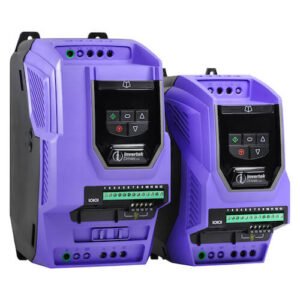
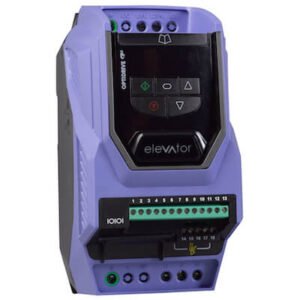
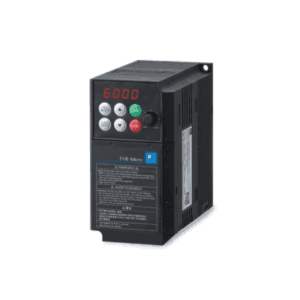
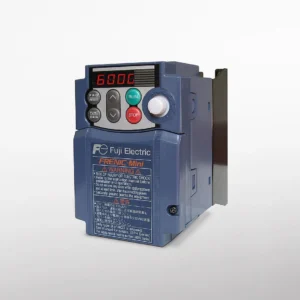
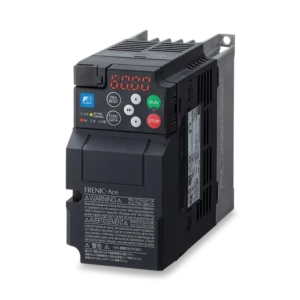
Frequency inverters are one of the most critical components in material handling systems, enabling precise control of motor speed and torque. They ensure smooth starting and stopping, reduce mechanical wear, and increase overall system efficiency. This is particularly important for lines operating under intensive work regimes.

In material handling applications, frequency inverters are widely used in cranes and hoists, conveyor systems, AGVs, palletizing and sorting equipment, and automated storage systems.

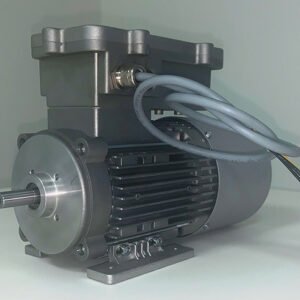
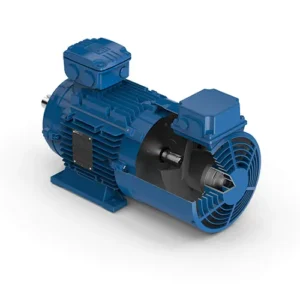
Electric motors for material handling applications

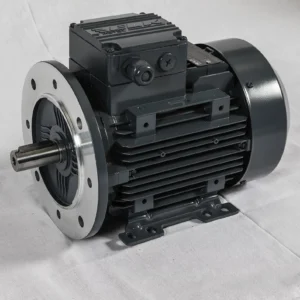
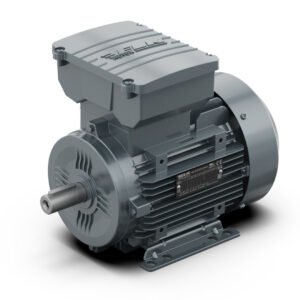
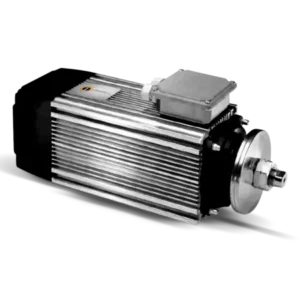
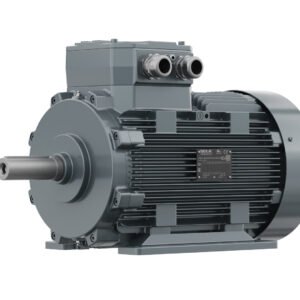
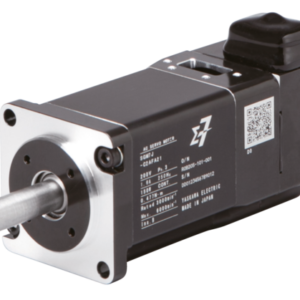
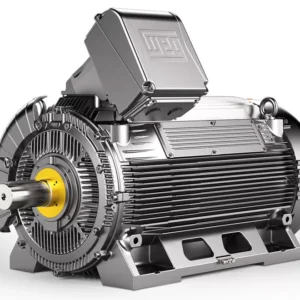
Electric motors in the material handling industry must ensure reliable operation during frequent starts and load changes. They are used in all moving parts of systems – from conveyors to automated lifting mechanisms. The reliability of motors directly affects the performance of the entire system.

High-efficiency asynchronous motors, adapted for use with frequency inverters and intensive duty cycles, are most commonly used.

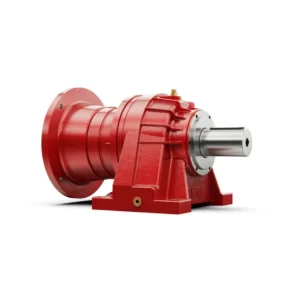
Gearboxes and mechanical drives in material handling

Gearboxes ensure the required torque and precise motion transmission in material handling systems. They are particularly important in conveyor, lifting, and palletizing equipment, where stable and smooth movement is essential. Proper gearbox selection helps reduce vibrations and wear.

Reliable, industrial gearboxes, compatible with motors and frequency inverters, are used to ensure long-term and smooth system operation.

Smart automation components for material handling systems

Smart automation components enable the coordination of complex material flows and ensure safe system operation. They help synchronize individual devices, monitor processes in real-time, and react quickly to changes. This is crucial for high-performance logistics systems.

PLC controllers, sensors, HMI panels, and communication solutions allow for the integration of material handling systems into higher-level warehouse or production management systems.

Additional solutions for the material handling industry

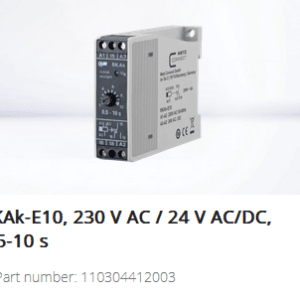
In addition to primary drives and motors, supplementary automation and electrical solutions are also important in the material handling industry. They help ensure stable power supply, safe control, and power quality.

These include soft starters, UPS systems, buttons and switches, and active harmonic filters, which contribute to reliable and uninterrupted system operation.

Product manufacturers for this industry

Posts about the Material Handling Industry

Frequently Asked Questions (FAQ)

Material handling automation involves the control of systems for the movement, storage, and distribution of raw materials, semi-finished goods, and finished products. It includes frequency inverters, electric motors, gearboxes, and smart automation components.

Frequency inverters allow precise control of motor speed and torque, ensuring smooth starting and stopping. This helps reduce mechanical wear, improve safety, and optimize energy usage.

Frequency inverters are used in conveyors, cranes and hoists, AGVs, palletizing, sorting, and automated storage systems. Precise and reliable motion control is essential in these applications.

Automation optimizes material flows and reduces the need for manual labor. This helps increase throughput, minimize errors, and improve overall system efficiency.

High-efficiency asynchronous motors are most commonly used in material handling systems. They are adapted for frequent starts, varying loads, and operation with frequency inverters.

Gearboxes ensure the required torque and precise motion transmission. They are particularly important in conveyor, lifting, and palletizing equipment, where stable and smooth operation is required.

By using frequency inverters, motors operate only at the speed required for a specific process. This reduces electricity consumption and operating costs.

Smart automation components allow for the synchronization of different systems and real-time process monitoring. PLCs, sensors, and HMI panels help react quickly to changes and malfunctions.

Yes, automation solutions are often used to modernize existing warehouse and production systems. Upgrading drives and control components can increase performance and reliability.

Important solutions include soft starters, UPS, active harmonic filters, and control components. They ensure a stable power supply, protect equipment, and improve system reliability.

Consultation

Professional consultation when choosing a product from a wide market selection.

Reliability

SIMEKSA provides top-quality automation components and professional expertise.

Quality

We offer only tested and reliable products. We collaborate with a number of well-known manufacturers from around the world.

Good Price

We always strive to offer our clients the highest quality equipment at a favorable price. It is important for us to understand your needs and receive feedback.