Agricultural Industry

Automation Solutions for Irrigation, Ventilation, and Other Agricultural Processes

The agricultural industry includes crop farming, animal husbandry, grain storage, processing, and irrigation systems, where automation plays an increasingly important role. In modern farming, reducing energy costs, reliable equipment operation, and the ability to precisely control processes are particularly important.

Modern agricultural automation solutions allow for optimizing water, energy, and labor costs, increasing productivity, and ensuring stable operation even in challenging environmental conditions – dust, humidity, heat, or cold.

What Does Automation in the Agricultural Industry Include?

In the agricultural industry, automation encompasses irrigation and pumping systems, building ventilation, conveyors, grain drying, feed preparation, and other mechanized operations. These systems must operate reliably and adapt to changing loads and seasonality.

Frequency Inverters for Agriculture

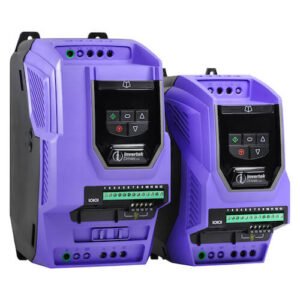
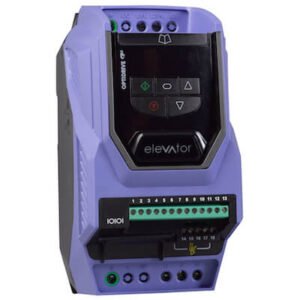
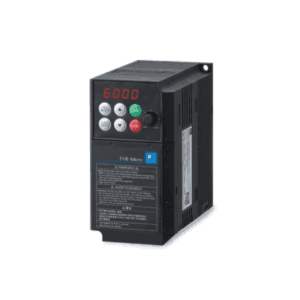
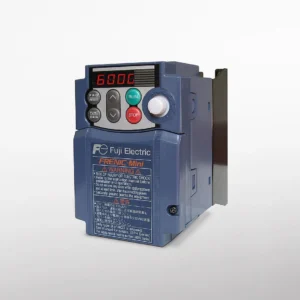
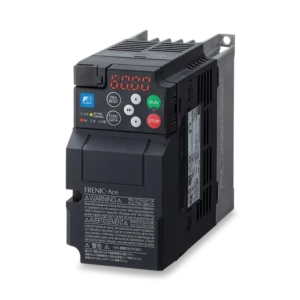
Frequency inverters are among the most important solutions in agriculture, enabling precise control of motor speed and reducing energy consumption. They are widely used in irrigation pumps, fans, conveyors, mixers, and drying systems. This helps avoid excessive energy and water usage.

Frequency inverters also feature overload protection, dry-run protection, clog prevention, and the ability to operate in harsh environmental conditions.

Electric Motors for Agricultural Applications

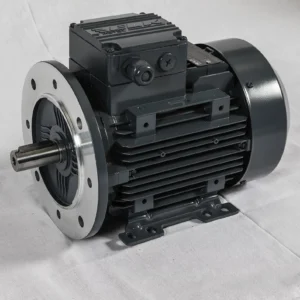
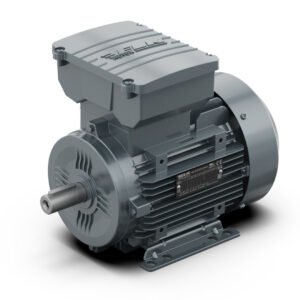
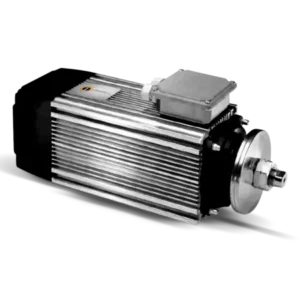
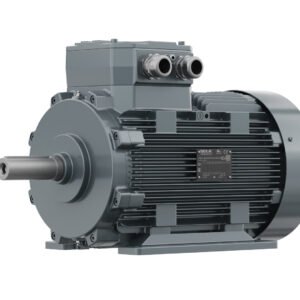
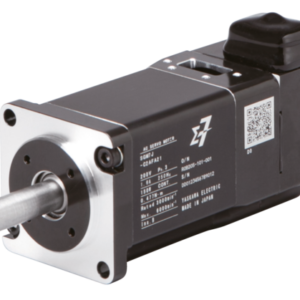
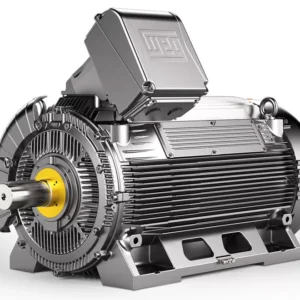
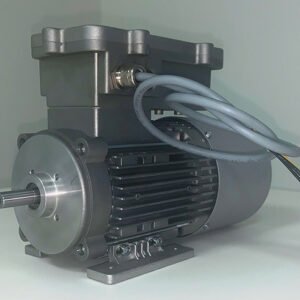
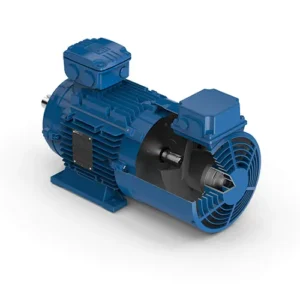
Electric motors in the agricultural industry often operate in demanding conditions – dusty, humid, or outdoor environments. They are used in pumps, fans, conveyors, mixers, and feed preparation equipment.

Typically, reliable asynchronous motors are used, compatible with frequency inverters and designed for long, continuous operation.

Gearboxes and Mechanical Drives in Agriculture

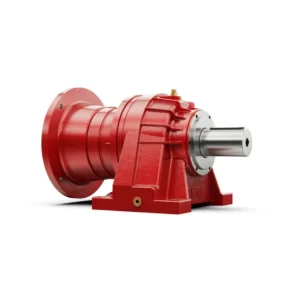
Gearboxes in agriculture are used where high torque and stable motion transmission are required. They are crucial in conveyors, grain transport, mixing, and feeding systems.

Robust and durable gearboxes are used, resistant to vibration, dirt, and intensive operation.

Smart Automation Components for Agricultural Systems

Smart automation components enable the automation and real-time monitoring of agricultural processes. They help optimize water consumption, regulate microclimates in buildings, and manage complex mechanized systems.

PLC controllers, sensors, HMI panels, and remote monitoring solutions help reduce the need for manual labor and increase farm efficiency.

Irrigation and Pumping Systems

Irrigation systems are one of the most important areas of automation in agriculture. Frequency inverters allow precise regulation of pump speed, maintaining the required pressure and flow, and reducing water and energy waste.

Soft starting helps eliminate water hammer, protect pipelines, and extend pump service life.


Building Ventilation and Microclimate Control

Proper microclimate is extremely important in livestock and storage buildings. Frequency inverters allow precise regulation of fan speed, maintaining optimal temperature, humidity, and air quality.

This helps improve animal welfare, reduce humidity and condensation, and protect produce.


Conveyors and Automated Processes

Conveyors and mechanized systems enable efficient handling of grain, feed, and produce. Frequency inverters ensure smooth starting, speed regulation, and synchronization.

This reduces mechanical wear, protects produce, and increases the reliability of the entire process.


Additional Solutions for the Agricultural Industry

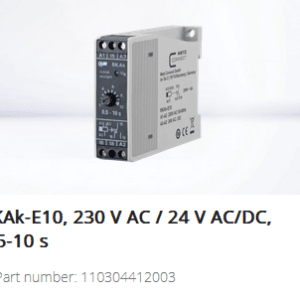
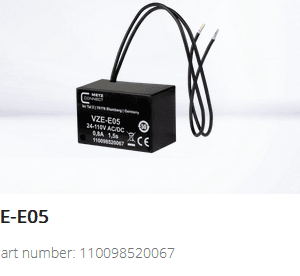
In addition to main drives and motors, supplementary electrical and automation solutions are also important in agriculture. They help ensure safe starting, stable power supply, and protection against grid disturbances.

This includes soft starters, UPS, buttons and switches, and active harmonic filters, which ensure reliable and long-term equipment operation.


Agricultural Automation – Efficiency, Sustainability, and Profitability

The agricultural industry increasingly relies on automated, energy-efficient, and reliable solutions. By using frequency inverters, electric motors, gearboxes, and smart automation components, it is possible to reduce costs, increase yields, and ensure stable farm operation.

Product manufacturers for this industry

Posts about the Agricultural Industry

Frequently Asked Questions (FAQ)

Agricultural automation includes the control of irrigation, ventilation, conveyors, feed preparation, and other mechanized processes. It helps farms operate more efficiently, save energy, and reduce the need for manual labor.

Frequency inverters allow precise regulation of motor speed according to actual demand. This helps reduce electricity and water consumption and extends the service life of pumps and other equipment.

Frequency inverters allow pumps to deliver only the water currently needed. This reduces water waste, protects pipelines from water hammer, and lowers energy consumption.

Water hammer occurs when a pump is suddenly switched on or off. The soft start and stop functions of frequency inverters help prevent this, protecting pumps and pipelines.

Electric motors are used in pumps, fans, conveyors, grain drying, mixing, and feeding systems. They often operate in harsh conditions, so their reliability and compatibility with frequency inverters are important.

Gearboxes ensure high torque and stable motion transmission. They are particularly important in conveyors, grain transport, and feed preparation systems.

Automated ventilation systems help maintain appropriate temperature, humidity, and air quality. This improves animal welfare, reduces disease risk, and protects stored produce.

Yes, frequency inverters allow motors to operate only at the required speed. Energy consumption can be reduced by up to 50%, especially in pumping and ventilation systems.

Smart automation components allow real-time monitoring and control of processes. PLCs, sensors, and remote monitoring help respond faster to malfunctions and optimize farm operations.

Important solutions include soft starters, UPS, active harmonic filters, and reliable control components. They protect equipment from electrical disturbances and ensure uninterrupted operation.
Consultation

Professional consultation when choosing a product from a wide market selection.

Reliability

SIMEKSA provides top-quality automation components and professional expertise.

Quality

We offer only tested and reliable products. We collaborate with a number of well-known manufacturers from around the world.

Good Price

We always strive to offer our clients the highest quality equipment at a favorable price. It is important for us to understand your needs and receive feedback.