


Solar Pumping Industry

Energy-efficient water pumping solutions powered by solar energy

The solar pumping industry encompasses water pumping solutions powered by solar photovoltaic (PV) systems. This industry is experiencing rapid growth due to increasing focus on renewable energy, energy cost reduction, and the ability to operate off-grid.

Modern solar pump automation solutions enable reliable water supply for irrigation, water distribution, pools, and water treatment systems, ensuring efficient and stable operation even under varying solar conditions.

What automation encompasses in the solar pumping industry

In the solar pumping industry, automation encompasses solar energy conversion, motor and pump control, flow and level regulation. Systems must be flexible, capable of operating with variable energy supply and ensuring stable water delivery.

Frequency inverters for solar pumping systems

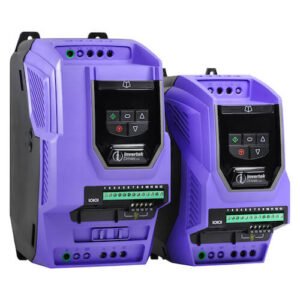
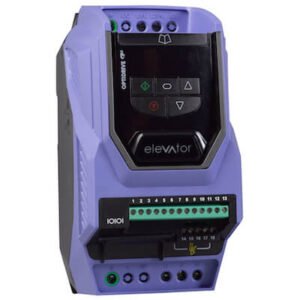
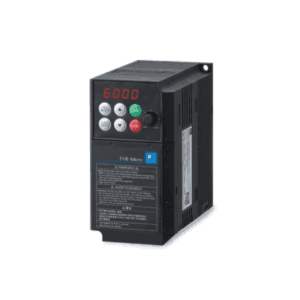
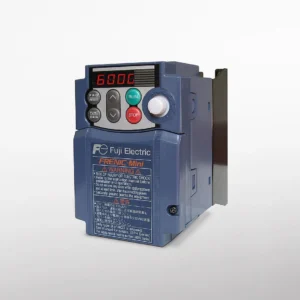
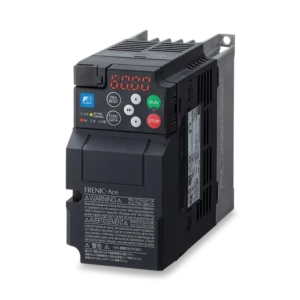
Frequency inverters are a key component in solar pumping systems, enabling the use of standard AC industrial motors. They efficiently convert direct current generated by solar modules into alternating current and regulate motor speed according to available solar energy. This eliminates the need for specialized and more expensive DC pump solutions.

In solar pumping applications, frequency inverters enable operation with both solar PV and grid power or diesel generators, ensuring uninterrupted water supply.

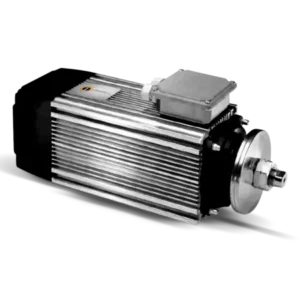
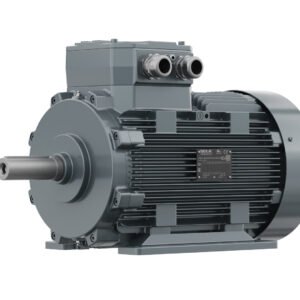
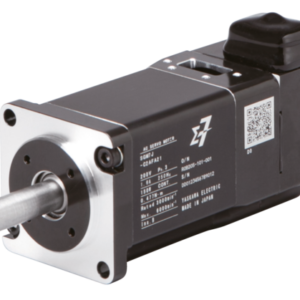
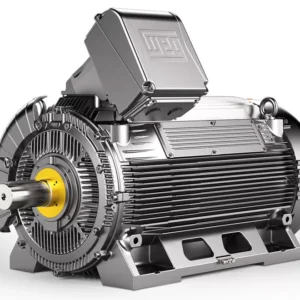
Electric motors for solar pumping applications

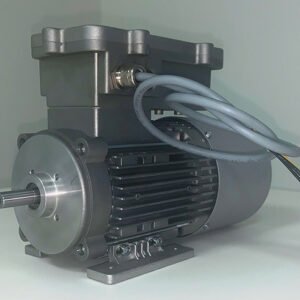
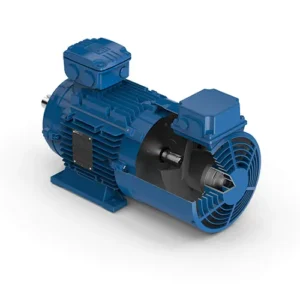
Electric motors in solar pumping systems must operate efficiently across a wide speed range. They often operate under varying loads, depending on solar intensity. Therefore, motor compatibility with the frequency inverter and high efficiency are essential.

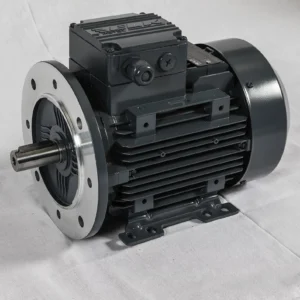
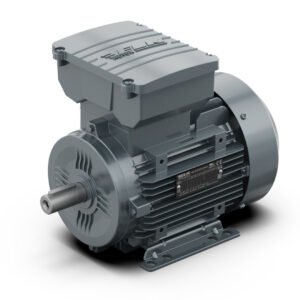
The most commonly used are asynchronous AC motors, which are easy to maintain, reliable, and widely available.

Gearboxes and mechanical drives in solar pumping systems

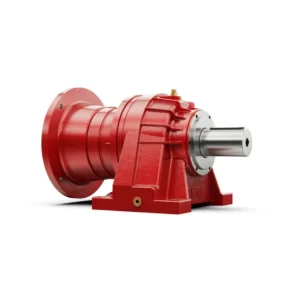
Gearboxes are used in solar pumping systems when motor speed and torque need to be adapted to a specific pump. They ensure stable and efficient power transmission even at reduced motor speeds.

Compact and reliable gearboxes are used to optimize pump operation and extend the service life of mechanical components.

Smart automation components for solar pumping systems

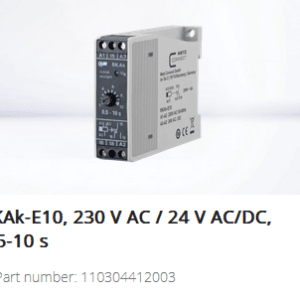
Smart automation components enable precise control and monitoring of solar pumping systems. They collect data from level, pressure, or flow sensors and maintain stable water supply even under changing conditions.

PLC controllers, sensors, HMI panels, and PID functions in frequency inverters enable closed-loop control and maximum system efficiency.

Solar pumping automation – sustainability, efficiency, and flexibility

The solar pumping industry requires energy-efficient, reliable, and flexible automation solutions. By utilizing frequency inverters, standard electric motors, gearboxes, and smart automation components, it is possible to ensure reliable water supply, reduce energy costs, and harness the potential of renewable energy.

Product manufacturers for this industry

Posts about Solar Pumping Industry

Frequently Asked Questions (FAQ)

Solar pumping automation involves controlling water pumping systems using solar photovoltaic energy. It includes frequency inverters, electric motors, gearboxes, and smart automation components that ensure stable and efficient water supply.

Frequency inverters enable the use of standard AC motors with solar PV systems. They regulate motor speed according to available solar energy, ensuring efficient operation even under varying illumination.

Yes, solar pumping systems can operate completely autonomously, without grid connection. Frequency inverters enable stable motor control even in remote locations.

Yes, using frequency inverters, solar pumping systems can operate in hybrid mode. The system can utilize solar PV energy together with grid power or a diesel generator.

Frequency inverters allow the pump to operate only at the speed permitted by current solar conditions. This reduces energy losses and maximizes the use of renewable energy.

Frequency inverters enable soft start configuration, gradually increasing motor voltage and speed. This reduces the load on solar modules and extends the service life of the motor and pump.

Asynchronous AC motors are most commonly used in solar pumping systems. They are reliable, easy to maintain, and highly compatible with frequency inverters.

PID control enables maintaining constant water flow or level using feedback from sensors. This ensures stable and efficient pump operation even under changing conditions.

Solar pumps are most commonly used in irrigation, water supply, pools, water treatment, and agricultural systems. They are particularly useful in remote locations without reliable grid power.

Smart control components, protection solutions, UPS for control circuits, and power quality solutions are important. They help ensure reliable, safe, and long-lasting system operation.

Consultation

Professional consultation when choosing a product from a wide market selection.

Reliability

SIMEKSA provides top-quality automation components and professional expertise.

Quality

We offer only tested and reliable products. We collaborate with a number of well-known manufacturers from around the world.

Good Price

We always strive to offer our clients the highest quality equipment at a favorable price. It is important for us to understand your needs and receive feedback.