



Cranes and Hoists Industry

Precise motion, load, and safety control in lifting systems

The crane and hoist industry encompasses load lifting, lowering, and positioning systems used in industry, logistics, construction, ports, and manufacturing facilities. In these applications, precise motion control, safety, and equipment reliability are extremely important, as work involves heavy loads and high risks.

Modern crane and hoist automation solutions ensure smooth operation, reduce mechanical wear, optimize energy consumption, and improve operator and environmental safety.

What does automation in the crane and hoist industry include?

In the crane and hoist industry, automation includes lifting, traversing, slewing, braking, and load control systems. These systems require extremely precise coordination of drives, motors, and control components to prevent load swings, slippage, or sudden movements.

Frequency inverters for cranes and hoists

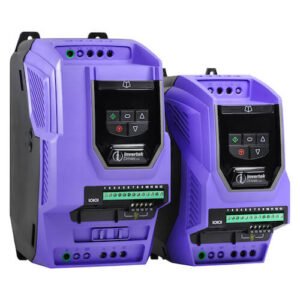
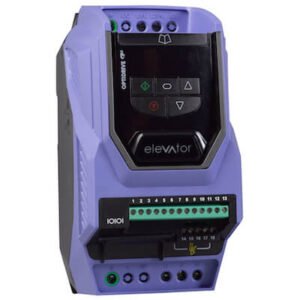
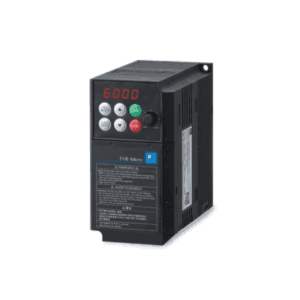
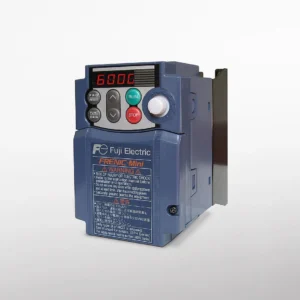
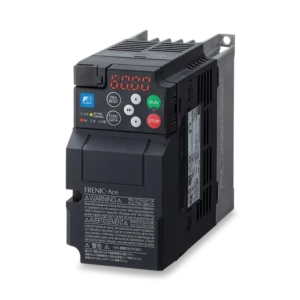
Frequency inverters play a crucial role in the operation of cranes and hoists by ensuring precise speed and torque control. They enable smooth starting and stopping of mechanisms, preventing sudden load changes and undesirable oscillations. This directly contributes to safer and more efficient operation.

In crane and hoist applications, frequency inverters are used in lifting, traversing, and slewing mechanisms where high starting torque, load holding functions, dynamic or regenerative braking, and motor brake control are required.

Electric motors for crane and hoist applications

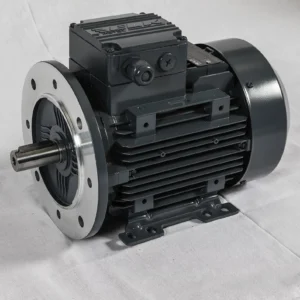
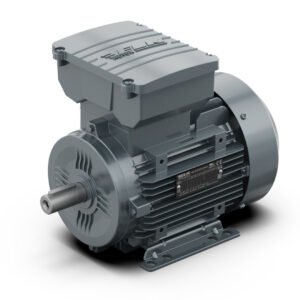
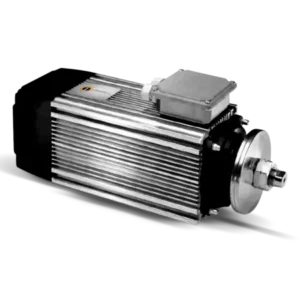
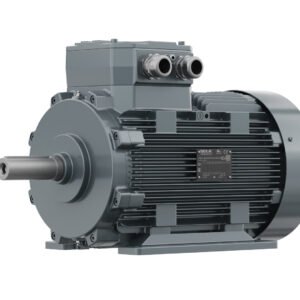
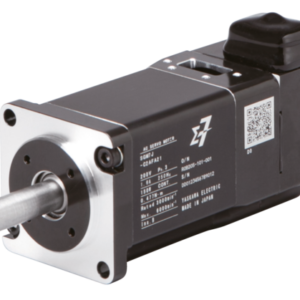
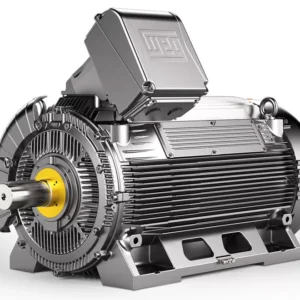
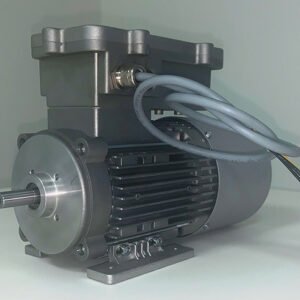
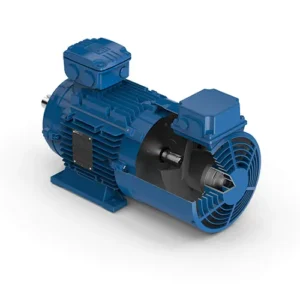
Electric motors in the crane and hoist industry must withstand heavy loads and frequent duty cycles. They are used in lifting and movement systems where high torque and stable operation are required even at low speeds. Motor reliability is critical for safe operation.

Most commonly used are high-power asynchronous and specialized lifting motors, compatible with frequency inverters and adapted for intensive operation.

Gearboxes and mechanical drives for cranes

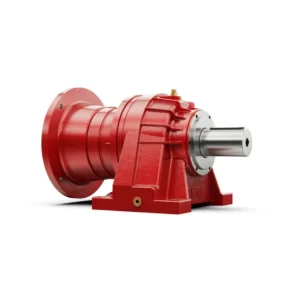
Gearboxes in crane and hoist systems ensure the required torque and precise motion transmission. They are particularly important in lifting mechanisms, where even minor errors can lead to load slippage or mechanical damage.

Robust, heavy-duty gearboxes are used, designed for operation with frequent starts, stops, and shock loads.

Smart automation components for crane systems

Smart automation components enable precise control of crane and hoist operations and monitoring of system status. They ensure safe operation, help prevent overloads, and allow for quick response to non-standard situations.

PLC controllers, sensors, HMI panels, and industrial communication solutions allow for integrating cranes into a common production or logistics automation system.

Crane and Hoist Automation – Precision, Safety, and Durability

The crane and hoist industry demands the highest level of control and safety solutions. By using appropriately selected frequency inverters, electric motors, gearboxes, and smart automation components, it is possible to increase operational precision, reduce wear, and ensure a safe and efficient lifting process.

Product manufacturers for this industry

Posts about the Crane and Hoist Industry

Frequently Asked Questions (FAQ)

Crane and hoist automation includes motion, lifting, and load control solutions designed for safe and precise material handling. It encompasses frequency inverters, electric motors, gearboxes, and smart automation components.

Frequency inverters allow precise regulation of motor speed and torque throughout the lifting process. This helps ensure smooth starting, safe braking, and load control, reducing oscillations and mechanical wear.

Frequency inverters are used in lifting, traversing, and slewing axes where precise speed control and synchronization are essential. They enable safe handling of both light and heavy loads.

Frequency inverters ensure constant torque, motor brake control, and dynamic or regenerative braking. This reduces the risk of load slippage, falling, or uncontrolled movement.

High starting torque asynchronous and specialized lifting motors are used in crane and hoist systems. They are designed to withstand intensive duty cycles and work in conjunction with frequency inverters.

Gearboxes ensure the required torque and precise motion transmission in lifting mechanisms. They help maintain load stability and reduce the load on mechanical components.

Automated starting, braking, and load control processes reduce mechanical shocks and wear. This allows for extending the service life of motors, gearboxes, and brakes.

Smart automation components allow real-time monitoring of loads, duty cycles, and system status. PLCs, sensors, and HMI panels help ensure safe and efficient crane operation.

Yes, automation solutions are often used to modernize existing cranes and hoists. By upgrading drives, motors, or control components, it is possible to improve safety, control precision, and energy efficiency.

Important solutions include soft starters, UPS, active harmonic filters, and control components. They help ensure stable power supply, protect equipment, and improve overall system reliability.

Consultation

Professional consultation when choosing a product from a wide market selection.

Reliability

SIMEKSA provides top-quality automation components and professional expertise.

Quality

We offer only tested and reliable products. We collaborate with a number of well-known manufacturers from around the world.

Good Price

We always strive to offer our clients the highest quality equipment at a favorable price. It is important for us to understand your needs and receive feedback.