
How to Choose the Right Electric Motor for Your Needs?
-
Vitalijus Šimkus
- May 20, 2026
THE IMPORTANCE OF ELECTRIC MOTORS IN INDUSTRY
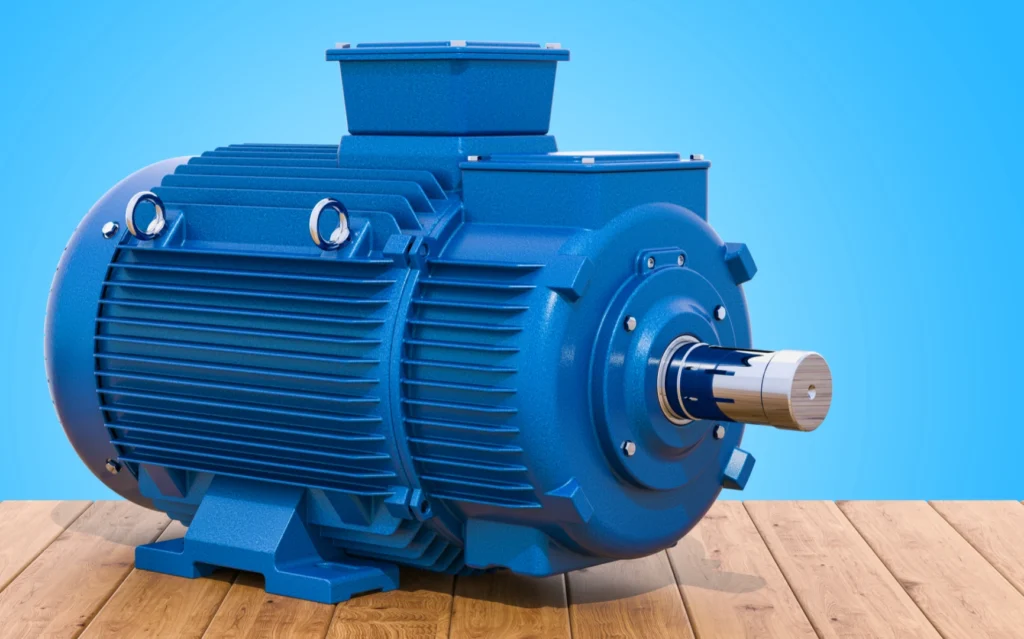
The electric motor is the foundation of industry, ensuring equipment operation and process efficiency. The proper selection of a motor impacts not only energy consumption but also operational reliability and equipment longevity. An incorrect choice can lead to frequent failures, production stoppages, and additional costs.
When selecting an electric motor, it is important to evaluate criteria such as power, operating conditions, protection class, motor type, and compatibility with additional components – for example, frequency inverters.
Our range of electronics and automation products includes a wide selection of electric motors – from single-phase and three-phase models to special designs for explosive environments or specific industrial needs.
KEY CRITERIA FOR ELECTRIC MOTOR SELECTION
Operating Conditions
The first step is to assess the working environment. If it is dusty, humid, or subject to significant temperature fluctuations, it is essential to choose a motor with appropriate protection against environmental factors. It is also important to consider the duty cycle – whether the motor will operate continuously, periodically, or with frequent starts and stops, as this affects both the mechanical and thermal load on the motor.
Motor Power and Load Type
Motor power (kW) indicates how much energy the motor can transmit to a mechanical load. It is selected based on equipment requirements, considering the operating mode and load type. Loads can be constant, variable, shock, or frequently switched. Incorrectly selected power can lead to motor overheating, rapid wear, or excessive energy consumption. For example, shock loads (mills, presses) require a higher starting torque, so it is important to use more powerful motors or models with special starting characteristics.
IP Protection Classes
The IP (Ingress Protection) classification indicates the degree to which a motor is protected against dust and moisture. For example, IP55 class motors are suitable for standard industrial conditions, while IP66 is for harsher environments. A higher IP class is especially important for outdoor conditions or where strong vapors, splashes, or chemical contamination occur.
Insulation Classes
The insulation class (e.g., F or H) defines the temperature resistance of the motor windings. The higher the class, the better the motor will tolerate temperature fluctuations and the longer it will last. Furthermore, the insulation class affects the ability to operate the motor under more extreme conditions without the risk of overheating.
Motor Efficiency
Motors are classified by efficiency classes: IE1 (standard), IE2 (higher), IE3 (high efficiency), IE4 (super efficient). The higher the class, the lower the energy consumption and heat emission. Efficient motors are particularly important in industries where equipment operates for long periods, e.g., in factories, pump, or ventilation systems. Such motors significantly reduce electricity consumption and CO2 emissions.
Mounting Type and Mechanical Compatibility
Motor mounting types (e.g., B3, B5, B14) determine how the motor will be attached to the equipment. It is crucial to ensure mechanical compatibility so that the motor’s flange, shaft diameter, and length match the reducer or other drive element used. Improper mounting or incompatible components can cause vibrations, excessive bearing load, or even damage to the equipment.
Durability and Reliability
Durability is influenced by bearing quality, cooling system efficiency, insulation materials, and housing protection. When choosing a motor for long-term use, it is important to consider the manufacturer’s warranty, the availability of technical service, and spare parts. Reliable manufacturers often offer additional solutions, such as temperature monitoring or bearing lubrication systems, which increase equipment operating time.
TYPES OF ELECTRIC MOTORS AND THEIR APPLICATIONS
Three-phase and single-phase motors
Three-phase motors are widely used in industry due to their high efficiency and stable power transmission. They are suitable for continuous operation with heavy loads, such as pumps, compressors, or conveyors. Single-phase motors are used in domestic and light industry when only a single-phase network is available, for example, for ventilation systems or small mechanisms.
Low-center motors
These motors are designed so that their shaft is as close to the base as possible. They are suitable for installations with limited mounting height, such as in textile or food industry lines. The low-center design helps save space and makes it easier to integrate the motor into existing equipment.
Motors for explosive environments (Ex, ATEX)
These are specially constructed motors that comply with ATEX directive requirements, used in environments where explosive gases or dust are present. Their design ensures that sparks or high temperatures do not enter the environment. Such motors are essential in the oil, chemical, and pharmaceutical industries.
Servo and synchronous reluctance motors
Servo motors are used where high precision, dynamics, and positioning are required, for example, in CNC machines, robotics, or automated production lines. Synchronous reluctance motors are characterized by lower energy losses and are efficient solutions for long-term operation at constant speed.
Motors with brakes and forced cooling
Brakes are integrated to allow the motor to quickly stop the mechanism in an emergency or when precise positioning is required. Forced cooling (often used in conjunction with brakes) ensures that the motor does not overheat even when operating at low speeds or under heavier conditions.
Medium and High Voltage Motors
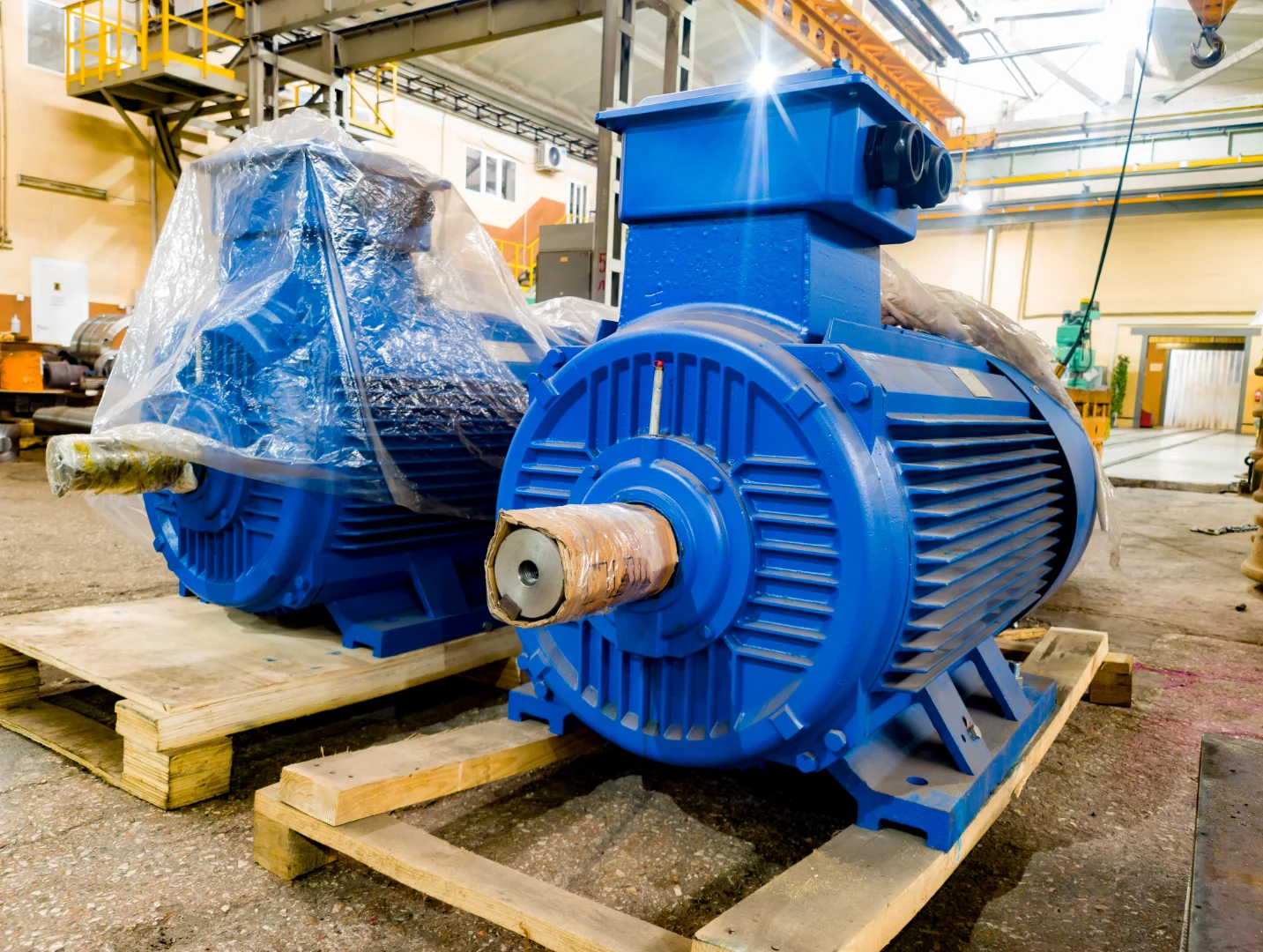
Such motors are used in energy, mining, cement, or port cargo handling equipment where power exceeding 200 kW is required. They are characterized by high efficiency, durability, and are adapted for continuous operation.
Slip-Ring Motors
Slip-ring motors allow for smooth starting of the motor under high inertial loads and gradual power increase. They are suitable for hoists, mills, or fans where control of starting current and torque is important.
Two-Speed Motors
This is an economical choice for processes where operating intensity changes, e.g., for ventilation, where different speeds can be maintained day and night. Such a motor helps reduce energy consumption and extends equipment service life.
Permanent Magnet Motors
These motors ensure extremely high efficiency and constant torque, especially useful in automated production processes. They are often used in robotic systems and specialized industrial equipment where precise and quiet operation is required.
DC Motors
They ensure uniform speed and high torque at low RPMs. Used in transport systems, printing equipment, electric drives where simple speed control is important.
Vibration Motors
Vibration motors create vibrations used for screening, distributing, or dosing materials. They are particularly popular in the construction, mining, and food industries where the flow of bulk materials needs to be controlled.
Motors for Lifting Mechanisms
Lifting motors are characterized by high torque, integrated brakes, and additional safety systems. They are used in cranes, hoists, elevators, and other vertical movement systems where precise and safe operation is crucial.
Special Design Motors
Such motors are adapted to specific operating conditions: high heat losses, vertical or even inverted mounting position, chemical substances. Non-standard solutions are offered to clients according to individual requirements.
Three-phase Motors (Asynchronous)
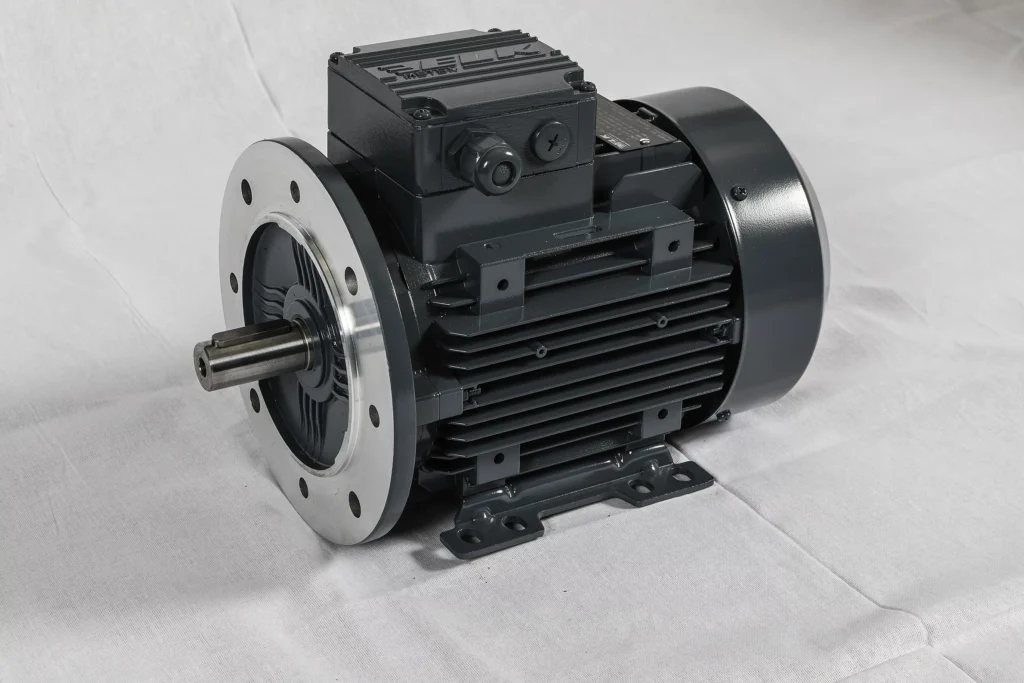
Power range: from 0.09 kW to 500 KW;
Efficiency classes: IE2, IE3, IE4, IE5;
Housing: aluminum or cast iron.
Single-Phase Motors (Asynchronous)
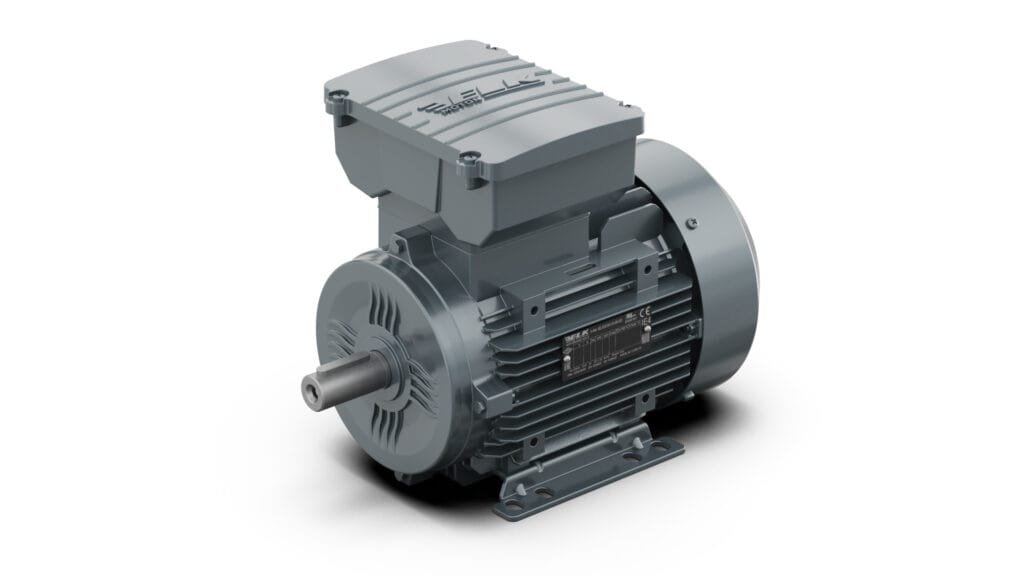
Power range: from 0.09 kW to 500 kW;
Efficiency classes: IE1, IE2;
Housing: aluminum.
Low Center Height Electric Motors
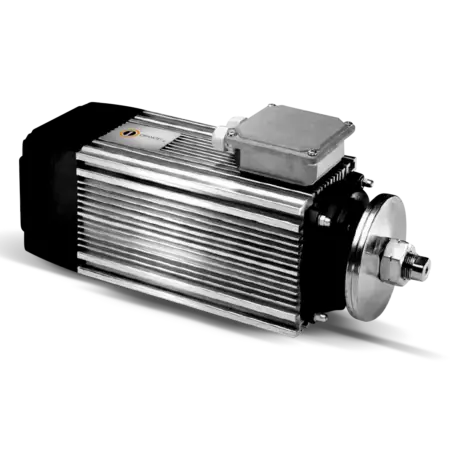
Power range: from 0.25 kW to 22 kW
Electric Motors for Explosive Environments (Ex, ATEX Classification)
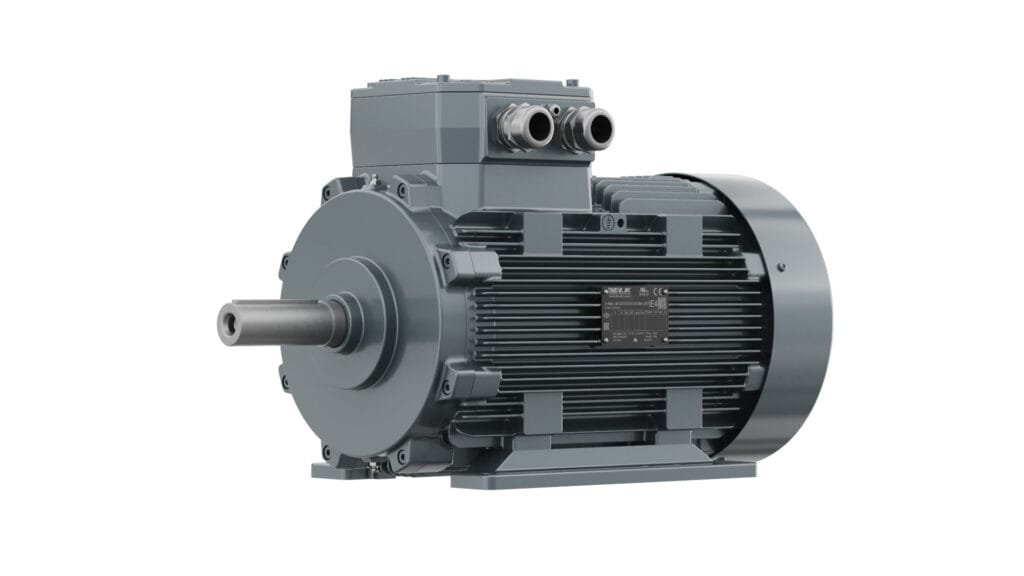
Power range: from 0.18 kW to 500 kW;
Efficiency classes: IE2, IE3, IE4;
Housing: aluminum or cast iron.
Servo Motors
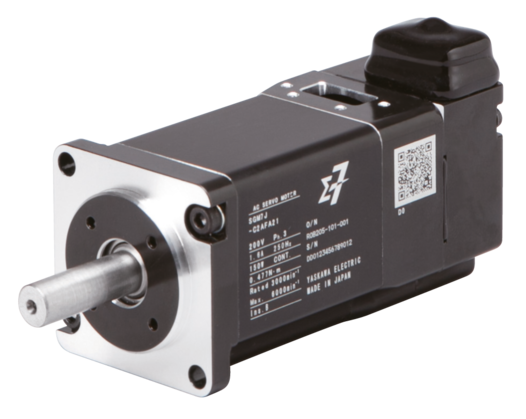
Power range: from 0.05 kW to 30 kW;
Synchronous Reluctance Motors

Power range: from 0.75 kW to 1250 kW;
Efficiency classes: IE5, IE6.
Electric Motors with Brakes
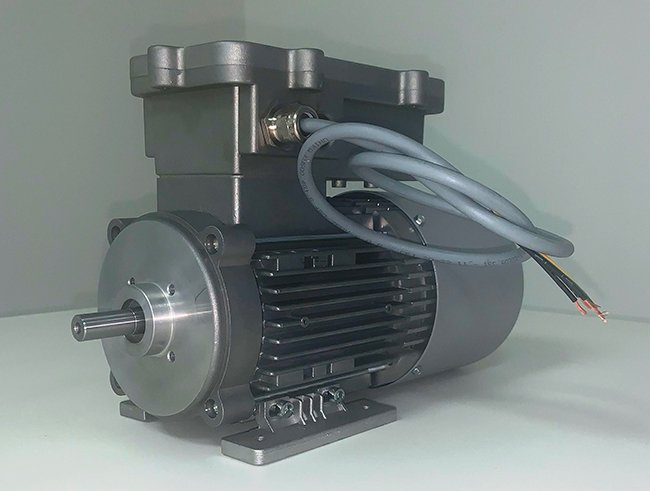
Power range: from 0.09 kW to 500 kW;
Efficiency classes: IE1, IE2, IE3, IE4;
Housing: aluminum or cast iron.
Electric Motors with Forced Cooling
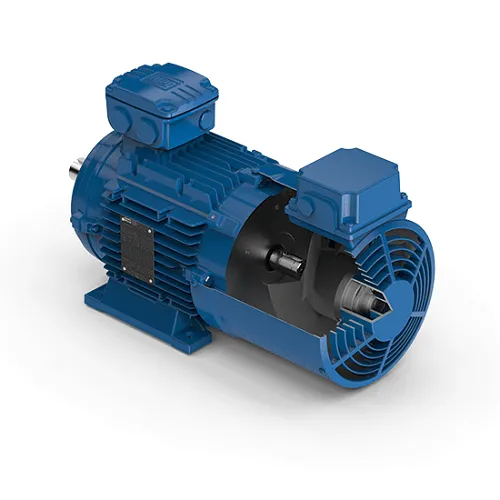
Power range: from 0.09 kW to 500 kW;
Efficiency classes: IE1, IE2, IE3, IE4, IE5;
Housing: aluminum or cast iron.
Medium and High Voltage Electric Motors
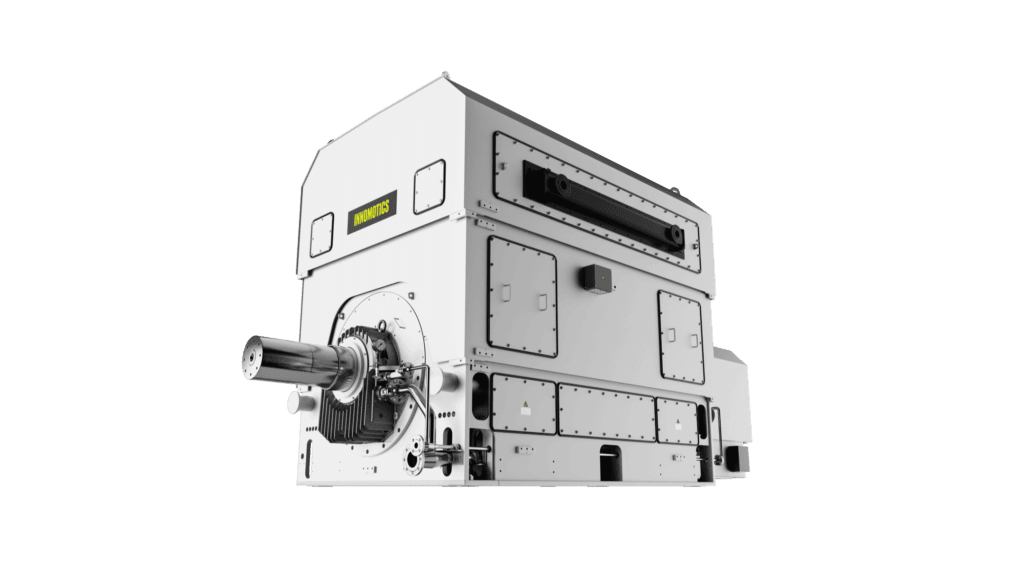
Power spectrum: from 90 kW to 78,000 kW;
Slip-Ring Motors
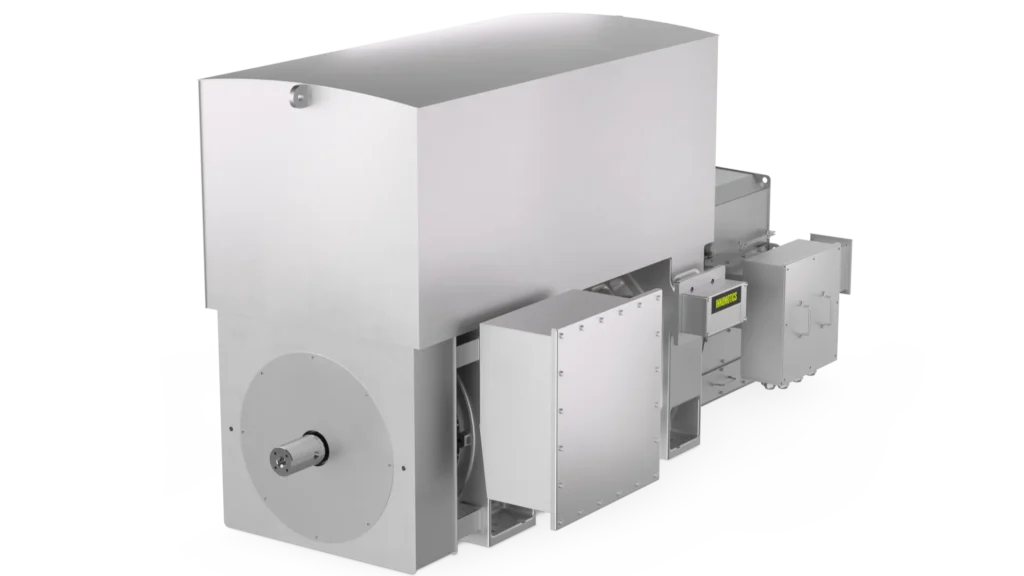
Power range: from 0.18 kW to 15000 kW;
Two-Speed Motors
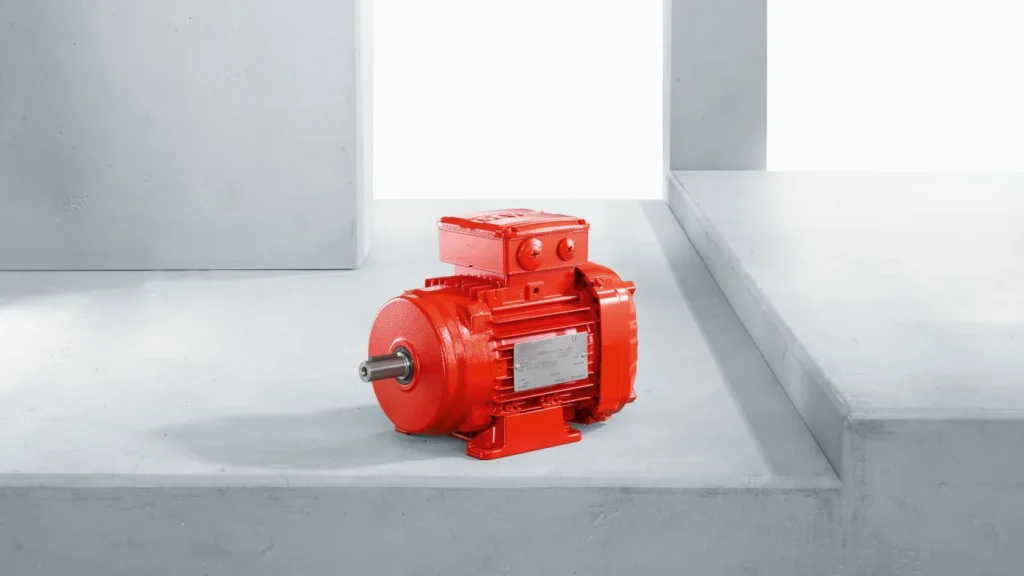
Power Range: from 0.09 kW to 500 kW;
Efficiency Classes: IE1, IE2, IE3;
Housing: aluminum or cast iron.
Permanent Magnet Motors
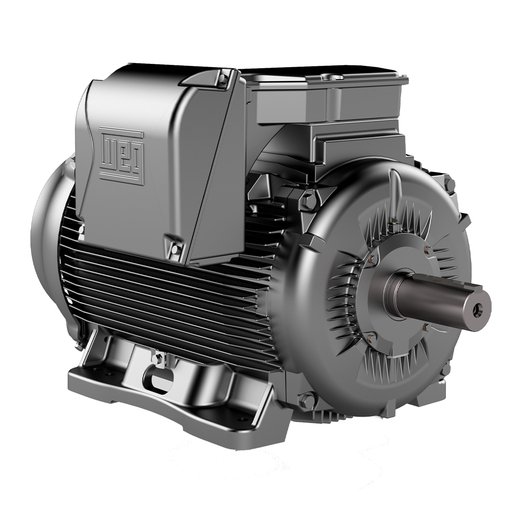
Power range: from 0.37 kW to 315 kW;
Efficiency classes: IE4, IE5.
DC Motors
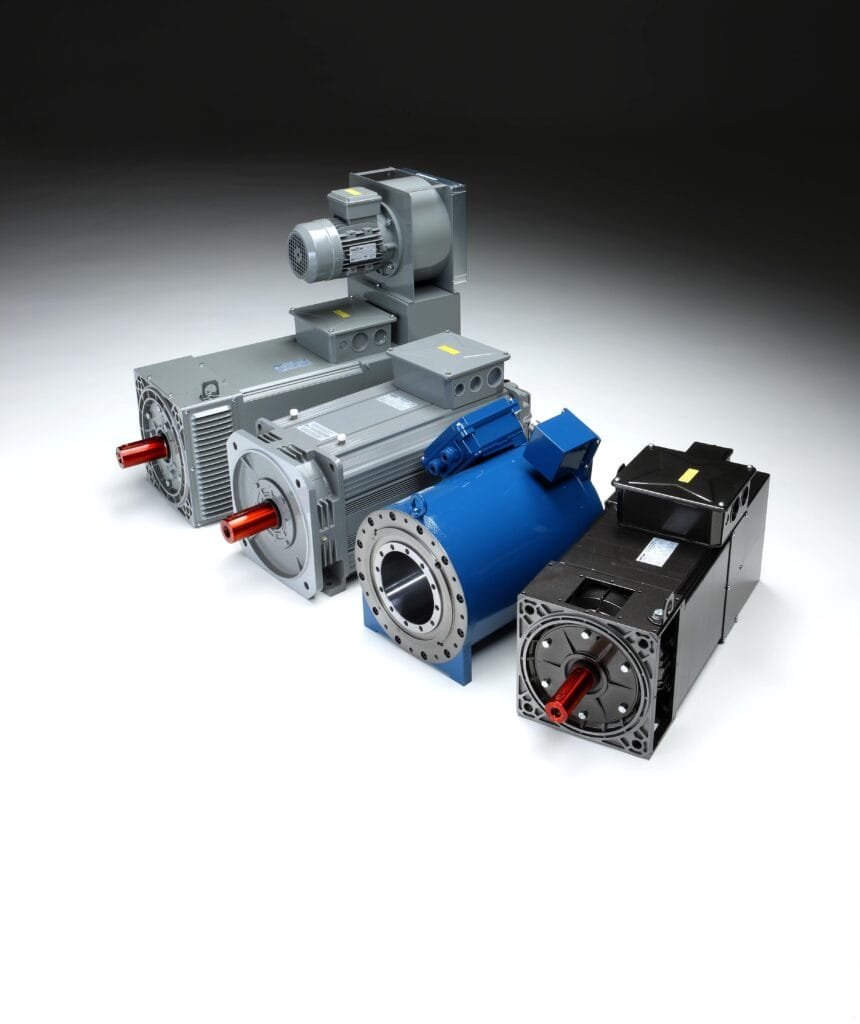
Power range: from 0.55 kW to 1115 kW;
Housing: aluminum or cast iron.
Vibration Motors
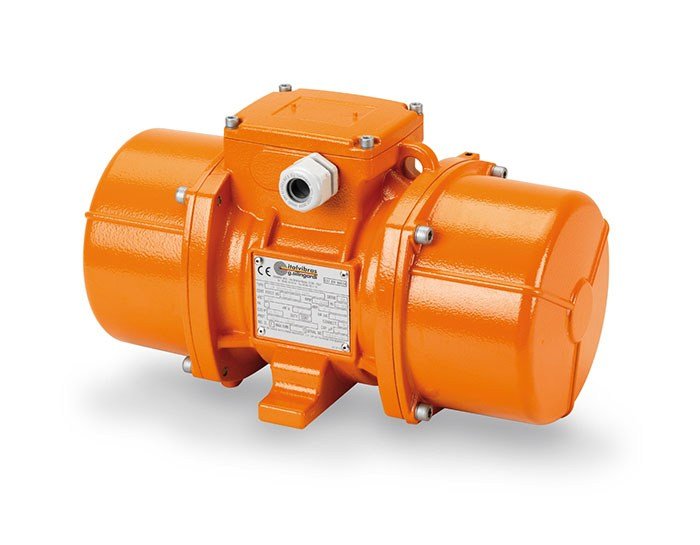
Centrifugal force: from 120 N to 30,000 N;
Power range: from 0.09 kW to 24 kW;
Motors for Lifting Mechanisms
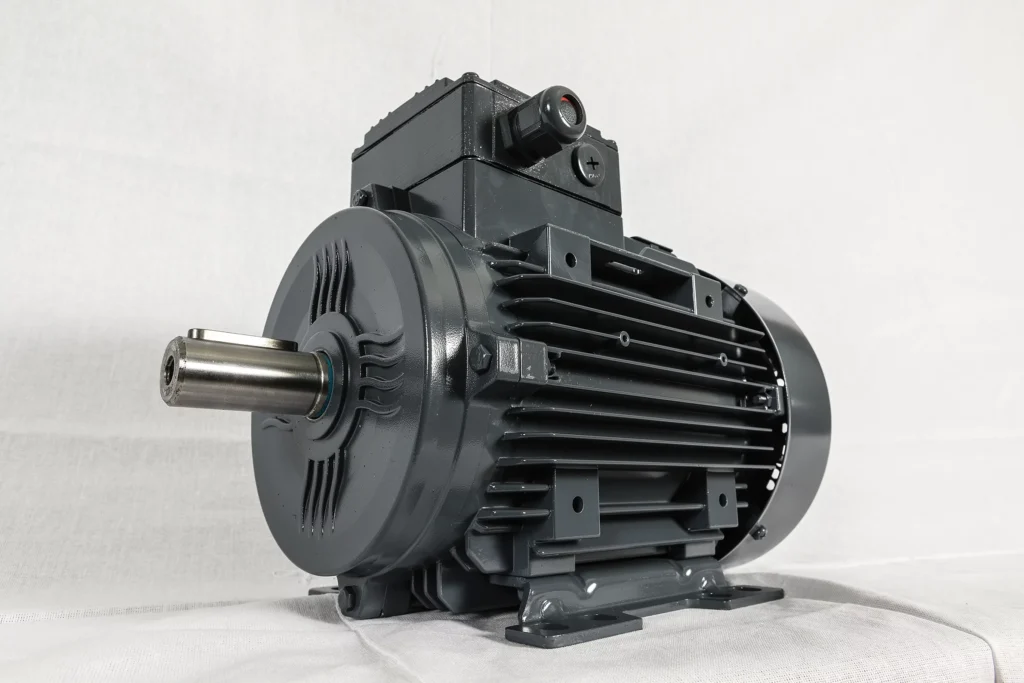
Centrifugal force: from 120 N to 30,000 N;
Power range: from 0.09 kW to 24 kW;
Special Design Motors
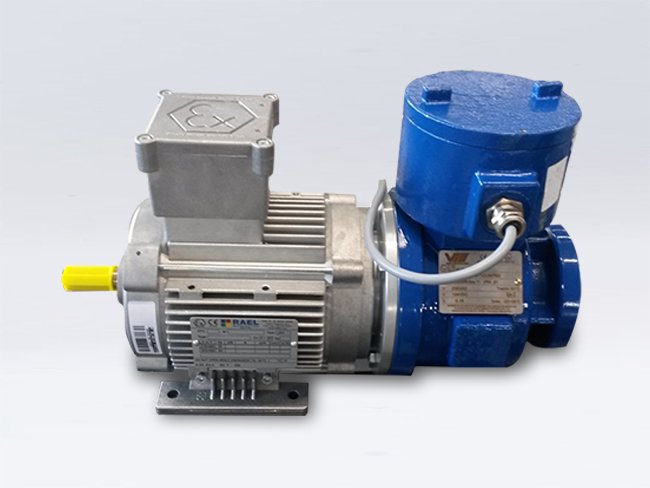
Special execution motors are designed to meet exceptional technical requirements.
MAINTAINING MOTOR TEMPERATURE REGIME AND PREVENTING FAILURES
Motor temperature is an important operational indicator. Forced cooling (e.g., IC 416) ensures efficient heat dissipation, especially when the motor operates at low speeds or under heavy loads. This type of cooling is also used when natural airflow is insufficient for motor cooling.
When using frequency inverters, the temperature can increase, so it is essential to ensure proper cooling and use temperature sensors (PTC, PT1000). Heating elements help prevent condensation in humid environments. It is also important to properly design control panels to ensure adequate ventilation.
ELECTRIC MOTOR COMPATIBILITY WITH FREQUENCY CONVERTERS
If you plan to use a frequency inverter, it is essential to select a motor that operates stably over a wide frequency range. Some motors are not suitable for use with inverters due to insulation or cooling limitations. The correct choice ensures not only more efficient operation but also a longer service life for the entire system.
Modern motors often have the ability to integrate into automatic control systems using PLC or SCADA programs. This allows real-time monitoring of operating parameters, remote control of speed or direction, and fault detection. Such systems optimize energy consumption, enable quick response to disruptions, and increase process efficiency. Some solutions also incorporate an Internet of Things (IoT) interface, allowing for predictive maintenance of the motor’s technical condition.
It is recommended to follow manufacturers’ guidelines, as this helps avoid both operational problems and warranty disputes. When pairing a motor with a inverter, it is necessary to evaluate the motor’s cooling, the maximum permissible frequency fluctuation range, and the potential additional load during startup.
CONCLUSIONS AND RECOMMENDATIONS
A correctly selected motor is a long-term investment in equipment efficiency, safety, and reliability. Consider operating conditions, motor type, protection classes, and compatibility with other equipment. A well-chosen motor will reduce the likelihood of failures, decrease energy consumption, and improve the reliability of production processes.
If in doubt – contact our specialists. We will help you choose the optimal solution for your needs and guarantee a long-term result.


