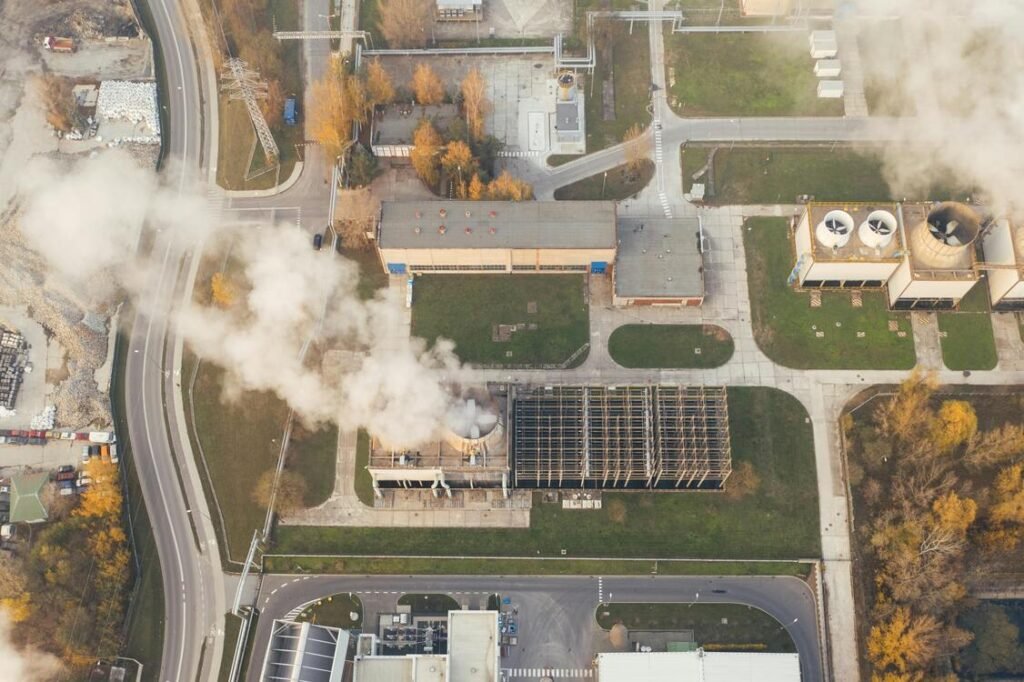
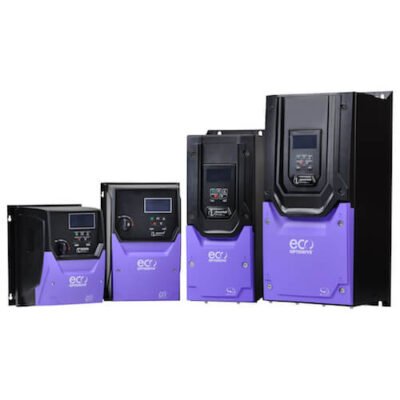
Growing concern about climate change and resource conservation encourages industry to seek more advanced energy management solutions. Frequency inverter technology, continuously improved and integrated with smart manufacturing systems, addresses modern challenges of energy efficiency and emission reduction. Access to real-time data and its analysis, optimizing equipment operation, is the foundation of the upcoming industrial evolution.
Concurrently, innovative frequency inverter algorithms are becoming a kind of transit towards fully autonomous production processes, where all energy flows are integrated into a common ecosystem of efficient production. The Green Deal, promoting the implementation of clean technologies, marks the beginning of the path for necessary innovation in industry.
Synchronization with Renewable Energy Sources
Frequency inverters enable efficient management of electricity flows, adapting to the variability of renewable sources. They serve as a transitional bridge between traditional energy and renewable energy. Energy utilization is optimized according to real needs. This is crucial for integrating renewable energy supply.
Frequency inverters contribute to a stable energy supply, as they can regulate and adapt the energy used by production processes based on the power generated by renewable energy sources, such as solar or wind. This makes processes more flexible and less dependent on the variability of non-renewable energy sources. The increased share of renewable energy sources in the energy sector requires innovative solutions to improve energy efficiency. Here, frequency inverters play a decisive role, helping to synchronize industrial equipment with the operating schedules of renewable energy sources, while reducing energy consumption and emissions. Such technological solutions are an inseparable part of a clean and efficient industrial future.
Smart Grid Integration
Frequency inverters are essential components of smart grids. They ensure flexible and efficient energy distribution within smart grid infrastructure. Frequency inverters allow for precise management of energy flows, responding to changes in energy demand and supply, and seamlessly integrating renewable energy source systems. This ensures not only the stability of energy supply but also a scientific and technological advantage internationally. Connection with smart tools improves efficiency.
Optimizing the operation of frequency inverters, promoting adaptation to smart grids – this enhances energy management efficiency – and reduces unplanned downtime and repair costs. The discrepancy between energy resources and their consumption is minimized through the synergy of frequency inverters and smart grids, which enables controlled, proactive measures for energy conservation. The integration of frequency inverters creates opportunities to pave new paths for smart grid development. Systemic integration via frequency inverters allows for synchronizing an industrial company’s production processes with variable energy supply, making production processes more efficient and reducing the need to import energy-intensive raw materials. This strategy not only reduces costs but also contributes to sustainable economic development.
Summary
Frequency inverters are an innovative solution in the industrial sector, enabling reduced energy consumption and CO2 emissions. The benefits of this technology in industry include lower electricity costs, extended equipment lifespan, greater flexibility in energy use, and reduced pollution. Frequency inverters also contribute to sustainable industrial development and comply with pollution reduction regulations. They are an essential step towards a more efficient and environmentally friendly industry.
To learn more and receive a consultation, contact “Simeksa” today!