
Variable Frequency Drive for HVAC Systems
Variable frequency drives are commonly used in new and modernized construction projects to control fans, pumps, and compressors. They are a highly reliable method for control and energy efficiency improvement, and can be integrated with the building management system (BMS) to create a comprehensive control solution.
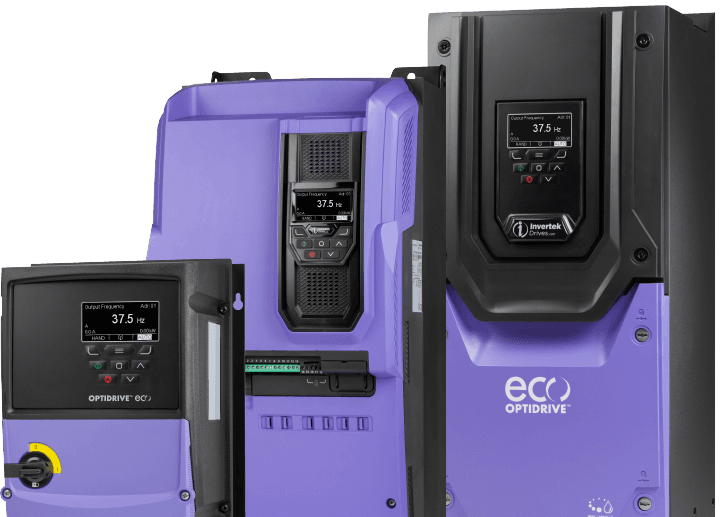
Environmental Control in Buildings
We have extensive experience in supplying the right variable frequency drives for HVAC building services.
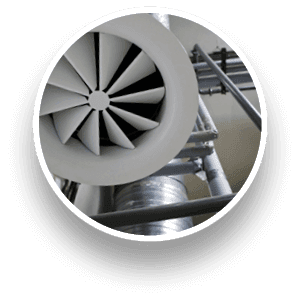
Review examples demonstrating our capabilities:
Energy-Efficient Fan and Pump Control
Reducing the flow of rotating equipment such as fans and pumps saves significant energy. In the case of fans, based on the mathematical theory of the fan law, reducing the air flow by half can reduce the power consumed by the fan by more than 80%. While other technologies are available, such as inlet guide vanes and variable pitch fans, variable frequency drives are perhaps the most effective means of achieving performance close to the theoretical limits of fan and pump laws.
Where Does the Energy Savings Come From?
Air conditioning can consume significant energy. In some cases, it can even double energy consumption, not to mention the resulting increase in the company’s carbon footprint.
Don’t Generate More Air Flow Than You Need!
Typically, air conditioning systems in buildings are designed for maximum occupancy and maximum outdoor ambient air flow. This means that most of the time, systems can operate at lower speeds, and using variable speed drives can save considerable money.
Optidrive Eco HVAC can vary the air conditioning system’s capacity to meet different needs throughout the day.
Building Safety Systems
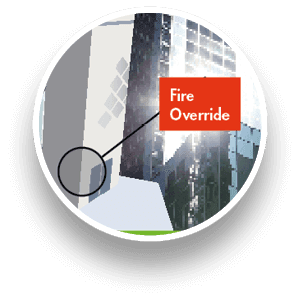
Comfortable, Safe, and Sustainable Environment
Fire Control
Fire protection mode ignores signals and alarm signals, allowing Optidrive Eco HVAC to operate as long as possible.
This function is critical for ensuring smoke extraction from buildings in the event of a fire. Selectable logic means that Optidrive Eco HVAC can be easily configured according to the signal transmitted by the fire control system. Due to the independently adjustable fire mode speed, which can be selected as forward or reverse direction, Optidrive Eco HVAC can flexibly adapt to your fire control system requirements. During fire mode operation periods, the drive display clearly shows the fire mode operation indicator. The drive output logic can be easily configured to indicate to external drives that fire mode is active. Internal clocks and timers monitor fire mode operation, providing clear usage information.
Stairwell Pressurization
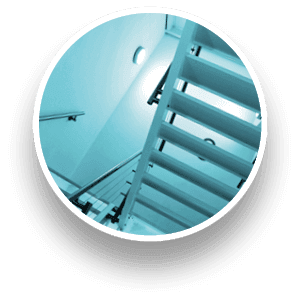
In large buildings and complexes, stairwell (evacuation route) pressurization systems are widely used to help ensure safe evacuation of occupants during a fire. Variable speed drives play an increasingly important role in maintaining pressure (approximately 50 Pa) in these critical zones. In this case, Optidrive Eco HVAC is used to ensure smoke-free evacuation by precisely maintaining air pressure in this route. The pressure must be maintained high enough so that when doors are opened between the fire-affected floor and the evacuation route, smoke does not enter the evacuation route. Similarly, when doors and ventilation openings are opened in the evacuation route through which air exits, Optidrive and the stairwell pressure maintenance system must increase performance to precisely maintain the required pressure.
Smoke Extraction
Many buildings now have dedicated smoke control and extraction systems designed to safely extract smoke in the event of a fire; these systems are designed to contain and extract smoke so that the rest of the building remains smoke-free and safe evacuation is possible. In this case, the Optidrive fire mode function is critical to ensure the smoke extraction system operates as long as possible. For example, in underground car parks, fresh air intake fans are often switched during a fire to extract smoke. Optidrive Eco HVAC can be easily configured for bidirectional fire mode operation.
Review examples demonstrating our capabilities (link):