Frequency Inverter in Industrial Automation

Frequency inverters provide numerous advantages in automation, including improved process control, energy savings, extended equipment service life, and reduced maintenance requirements. The specific application of a frequency inverter depends on the load type (constant or variable torque), the characteristics of the equipment it controls, and the system performance requirements. We share examples and applications of frequency inverters in automation systems.

General Automation industry

General Automation Applications

Frequency inverters are used in virtually all industrial sectors across a vast range of automation applications. We will share examples and key characteristics of frequency inverters specifically in the automation industry.

  • Universal Application: suitable for various industrial sectors, including manufacturing, processing, and material handling.
  • Energy Efficiency: reduced energy consumption by optimizing motor speed according to demand.
  • Precise Control: ensures accurate control of motor functions and improves overall system performance.
  • Easy Integration: simple to integrate into existing systems, reducing installation and commissioning time.
  • Cost Savings: lower energy bills and reduced maintenance costs.
  • Increased Productivity: improved control enables smoother operation and reduced downtime.
  • Scalability: easily adaptable to both small and large-scale operations.

Pump and Fan Control

One of the most common applications of frequency inverters is the control of pumps and fans in HVAC systems. By adjusting the speed of these components according to demand, energy consumption is significantly reduced. Instead of a pump running at full speed all the time, a frequency inverter can be used to slow it down during periods of low demand.

  • During Peak Demand: the frequency inverter increases the pump speed to ensure adequate fluid flow.
  • During Low Demand: the frequency inverter reduces the pump speed, lowering energy consumption while maintaining proper flow.

This control method not only reduces energy costs but also extends the pump’s service life by reducing mechanical stress during low-demand periods. Learn more about frequency inverters in HVAC systems HERE.

Conveyor Systems

Conveyor systems are an integral part of production lines, where maintaining the required speed is essential to ensure productivity and product quality. Traditional fixed-speed conveyors can cause bottlenecks or extend idle time, as the speed may not always match the production rate. By incorporating frequency inverters into the control system, manufacturers can dynamically adjust conveyor speed to meet production needs in real time. Here’s how it works:

  • During High Production Demand: the frequency inverter increases the conveyor speed to keep up with the faster production pace, ensuring that products are transported without delay.
  • During Low Production Demand: conversely, the frequency inverter reduces the conveyor speed, preventing unnecessary energy use and reducing equipment wear.

Mixing Operations

In industries that require mixing materials (such as food and beverage, pharmaceuticals, or chemicals), frequency inverters are used to control the speed of mixing motors. Mixing operations in various industries often require different speeds, depending on the materials being mixed and the desired consistency or outcome. Fixed-speed motors may not provide the necessary control, resulting in inconsistent results or inefficient processes. By integrating frequency inverters, operators can precisely control the speed of mixing motors, allowing on-the-fly adjustments to meet various process needs. Here’s how frequency inverters improve mixing operations:

  • Adjusting Material Consistency: depending on the viscosity or density of the materials being mixed, the frequency inverter can adjust the motor speed to ensure thorough mixing without overloading the motor.
  • Meeting Different Process Requirements: for processes that require different mixing stages (e.g., slow mixing and fast mixing), the frequency inverter can smoothly transition between speeds and optimize each process stage.

Practical Benefits:

  • Improved Product Quality: the frequency inverter ensures that the mixing process is performed at the optimal speed for the materials used, resulting in consistent, high-quality products.
  • Energy Consumption Efficiency: by matching motor speed to actual mixing requirements, the frequency inverter reduces unnecessary energy consumption, resulting in lower operating costs.
  • Operational Flexibility: the ability to easily adjust mixing speed provides greater flexibility in production processes, adapting to different recipes or material properties without changing equipment.

Machine Tool Drives

In machining operations with various machine tools (such as lathes, milling machines, and grinding machines), the spindle motor speed needs to be adjusted according to the material being machined and the type of operation (e.g., cutting, grinding, milling). Fixed-speed motors may not provide the necessary flexibility, resulting in suboptimal performance and increased tool wear. By implementing frequency inverters, operators can dynamically adjust spindle speed, optimizing the cutting or grinding process. Here’s how a frequency inverter improves machine tool performance:

  • Adjusting for Material Hardness: different materials require different cutting or grinding speeds. The frequency inverter allows precise adjustment of spindle speed to match the material’s hardness, ensuring efficient and effective machining.
  • Optimizing Cutting/Grinding Quality: the frequency inverter provides the ability to precisely adjust spindle speed to achieve the best surface finish and dimensional accuracy, eliminating the need for rework.

Crane and Hoist Control

Operating cranes and hoists often requires careful handling of heavy loads, where sudden movements or uncontrolled stops can be hazardous. Traditional fixed-speed motors can cause jerking or swinging when starting, stopping, or changing load direction, which can pose safety hazards and potentially damage equipment or the load itself. By integrating frequency inverters into these systems, operators can achieve smooth acceleration and deceleration, precise speed control, and constant torque—all contributing to safer and more efficient operations.

  • Smooth Starting and Stopping: the frequency inverter gradually increases motor speed when lifting and slows it down when lowering, preventing sudden jerks or swings that can destabilize the load.
  • Precise Speed Control: the ability to adjust lifting or lowering speed allows subtle control of heavy or sensitive loads, ensuring they are moved carefully and precisely.
  • Constant Torque: the frequency inverter ensures constant torque at all speeds, which is crucial for maintaining load control, especially when operating at low speeds or holding a load in place.

Compressor Control

This helps maintain the desired pressure level while saving energy. In refrigeration and cooling systems, frequency inverters are used to control compressors in various industries—from food and beverage to healthcare and pharmaceuticals.

Compressors are used in various fields where compressed air or gases are required, such as in the oil and gas industries, food and beverage, healthcare, and pharmaceuticals. Anywhere constant pressure is crucial for safe and efficient operation. Traditional fixed-speed compressors often operate at full capacity, even when lower pressure is needed, resulting in wasted energy and increased equipment wear. By implementing frequency inverters, operators can dynamically adjust compressor speed to meet specific system pressure requirements.

  • Maintaining Desired Pressure Levels: the frequency inverter allows precise control of compressor speed, ensuring the system maintains required pressure levels without unnecessary energy use.
  • Energy Savings: by operating compressors only at the required speed, the frequency inverter significantly reduces energy consumption, resulting in lower operating costs.
  • System Reliability: smooth frequency inverter operation reduces mechanical stress on the compressor, resulting in fewer failures and extended equipment service life.

Wastewater Treatment

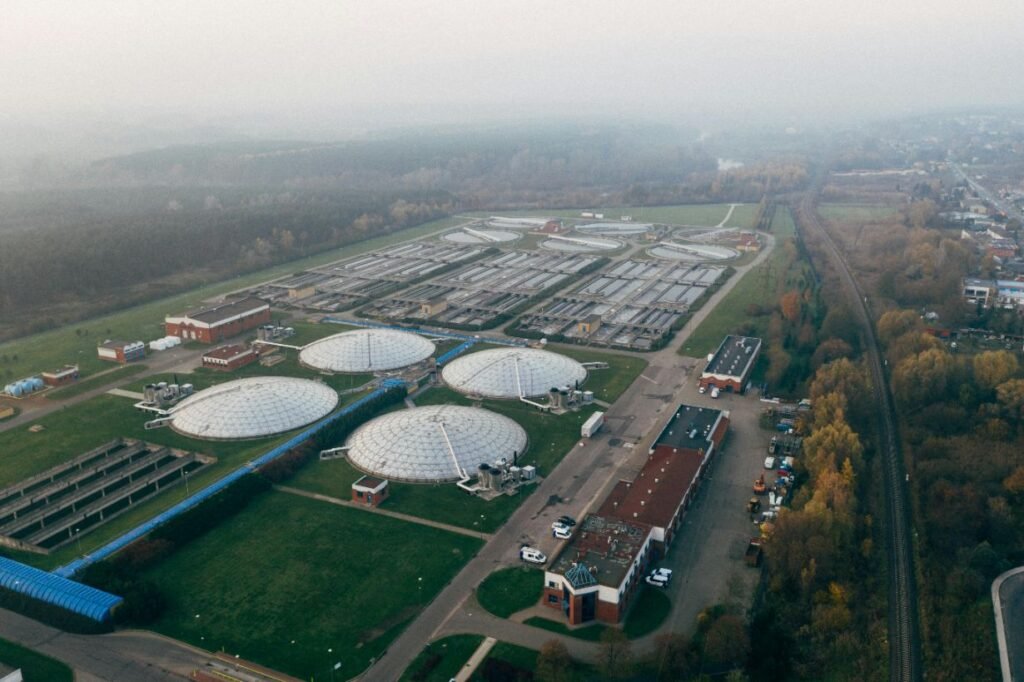
In wastewater treatment, pumps are used to transfer water through various stages of the treatment process, and aerators help maintain oxygen levels, which are crucial for biological water treatment. In traditional systems, these components often operate at full speed, regardless of the current treatment demand, resulting in inefficient energy use and increased operating costs. A frequency inverter offers a solution, allowing operators to adjust pump and aerator speed according to real-time needs.

  • Optimizing Pump Speed: the frequency inverter adjusts pump speed to match the flow rate required at different treatment stages, ensuring energy is used efficiently without compromising treatment process efficiency.
  • Adjusting Aerator Speed: aerators can be operated at variable speeds to maintain optimal oxygen levels required for biological treatment. This precise control prevents over-aeration, saves energy, and increases process efficiency.
  • Reducing Energy Consumption: by operating pumps and aerators only at the required speed, the frequency inverter significantly reduces energy consumption, making the wastewater treatment process more sustainable and economical.

Sewage treatment

In today’s rapidly evolving industrial environment, the need for efficient, reliable, and cost-effective solutions is more important than ever. Optidrive frequency inverters demonstrate their versatility and efficiency across various industries—from manufacturing and wastewater treatment to HVAC and refrigeration systems. These drives offer tailored solutions that can be adapted to meet the specific needs of various applications, whether it’s controlling pump speed in wastewater treatment facilities, optimizing conveyor system operation, or ensuring precise machine tool performance.

This technology can be applied to various components across different industries, saving energy, reducing operating costs, and improving overall system performance. Whether you need precise control of crane operations or efficient management of compressor systems, these frequency inverters provide the technology needed to optimize your processes and improve your bottom line.

Let our specialists help you understand how Optidrive frequency inverters can be tailored to your specific needs. We can help you learn how to maximize the benefits of this advanced technology, achieve significant cost savings, and gain the greater efficiency and reliability that Optidrive frequency inverters bring to your electric motor operations. Contact us today and learn more about how we can help your business thrive.

Consultation

Professional consultation when choosing a product from a wide market selection.

Reliability

SIMEKSA provides top-quality automation components and professional expertise.

Quality

We offer only tested and reliable products. We collaborate with a number of well-known manufacturers from around the world.

Good Price

We always strive to offer our clients the highest quality equipment at a favorable price. It is important for us to understand your needs and receive feedback.