Residential Applications
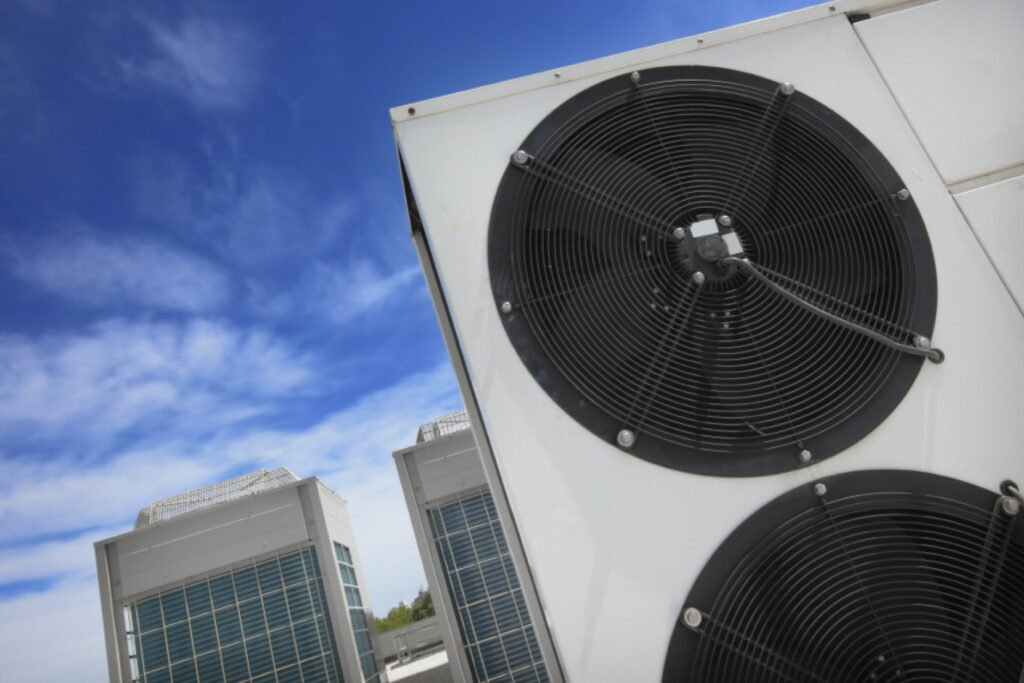
In our homes, frequency inverters play a vital role in enhancing the comfort and efficiency of heating and cooling systems. Integrated into air conditioners, heat pumps, or furnaces, they intelligently regulate compressor or fan motor speed. This adjustment is precisely calibrated based on indoor and outdoor temperature and humidity levels, resulting in significantly reduced energy consumption and HVAC system noise. Moreover, this enhancement not only extends system lifespan and reliability but also opens the door to smart home integration and remote control capabilities, allowing adjustment via smartphone or tablet.
Commercial Buildings
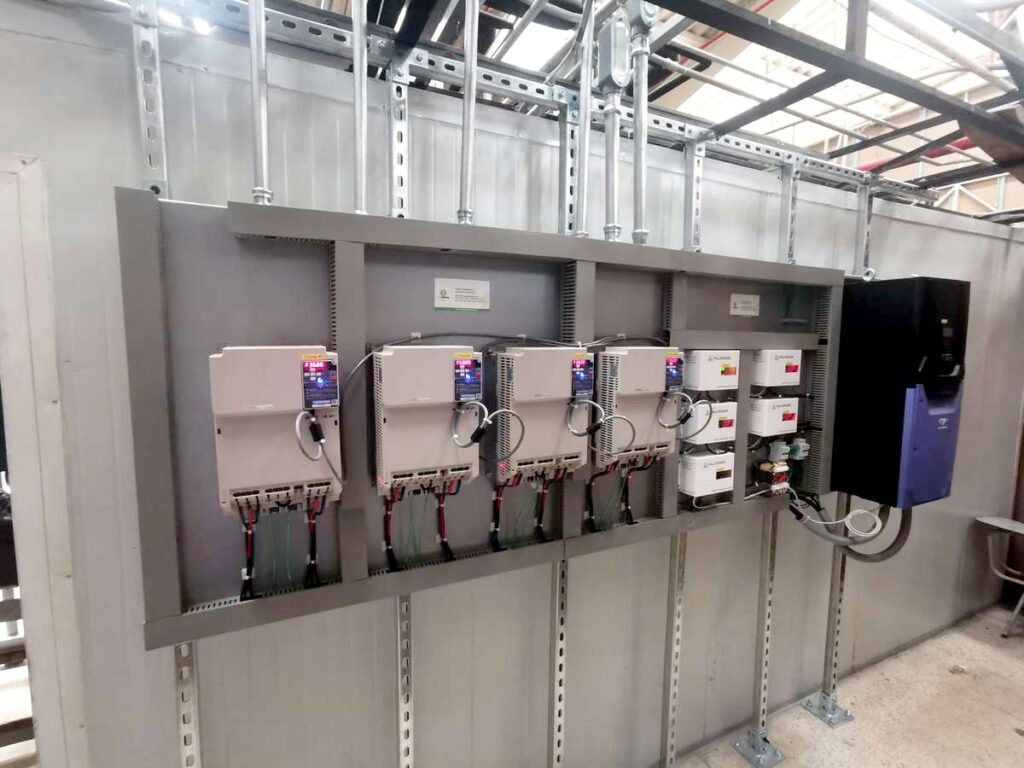
In the commercial sphere, frequency inverters help precisely regulate the operation and energy usage of large buildings such as offices, hotels, hospitals, schools, or shopping centers. These devices can be integrated into chillers, boilers, cooling towers, or air handling units to dynamically regulate water or air flow based on varying loads or demands in different zones or spaces.
Result:
Improved indoor air quality and comfort for occupants, as well as noticeably reduced operating costs and the facility’s environmental impact. Additionally, frequency inverters facilitate the operation of building automation and monitoring systems, enabling the collection and analysis of detailed data on HVAC system performance and energy consumption.
Specialized Applications
Frequency inverters also find their niche in specialized HVAC systems, meeting the unique requirements and challenges of specific industries or environments. For example, data centers, laboratories, or cleanrooms benefit from their ability to maintain precise temperature, humidity, and pressure conditions essential for sensitive equipment or processes. Furthermore, they can be used in refrigeration, food processing, or pharmaceutical sectors, ensuring product or material quality and safety. Additionally, frequency inverters withstand harsh or remote conditions encountered in mining, offshore, or marine environments, as they reliably operate under extreme temperatures, pressure, or vibrations.