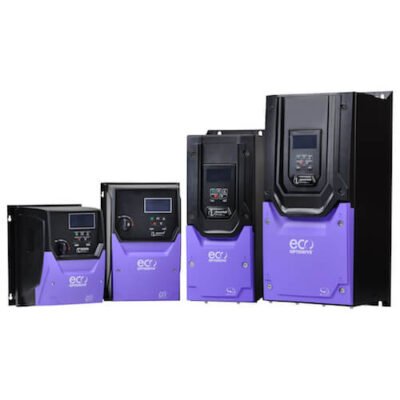
Frequency Inverter for Water Pumps: What You Need to Know and How to Choose?

Pumping systems account for almost 20% of the world’s electricity demand. Oversized pumps, insufficient speed control, and energy management can waste vast amounts of energy. Frequency inverters enable energy savings in all pump applications.

Frequency inverter for water pump

Frequency inverters are an indispensable part of the innovative energy sector, allowing for the optimization of electricity consumption in water pumps. They ensure efficiency and reduce operating costs.

By implementing frequency inverters, significant energy savings can be achieved, and a longer equipment service life can be ensured. This technology helps reduce noise and vibration levels, thereby improving overall working conditions in the work environment.

Advantages of Frequency Inverters in Water Pump Systems

Frequency inverters, through their functionality, extend the service life of pumps and reduce the likelihood of failures. They help ensure smooth pump operation, thus preserving its mechanical parts. Optimal operating speed control allows pumps to operate more precisely according to demand, thereby reducing energy consumption. With the installation of a frequency inverter, it becomes possible to monitor and control pump performance in real-time, which simplifies maintenance tasks and problem identification.

In ensuring efficient equipment operation, frequency inverters act as “master” mechanisms, providing optimal adaptability to consumption fluctuations. They contribute not only to cost efficiency but also to environmental protection – by reducing energy consumption, carbon dioxide emissions also decrease. Furthermore, this technology is important for implementing progressive and sustainable water supply and heating solutions that meet increasingly stringent environmental requirements.

Pump Optimization
Energy Savings 30-60%
Reduction of Operating Costs 20-50%
Noise Level Reduction 20-40%
Vibration Level Reduction 30-50%
Increased Equipment Service Life 20-40%

It is important to note that the use of frequency inverters is an integral part of modern automatic control systems. Their flexibility allows these devices to be integrated into various industrial sectors where pumps are used frequently and intensively. This also opens up opportunities for efficient coordination of pumps with other process control systems.

Importance of Frequency Inverters for Water Pumps

Frequency inverters are a key device for efficient water pump operation. They optimize pump performance, extending equipment service life and reducing costs. These devices regulate speed according to demand, reducing unnecessary energy use. Efficient energy consumption is one of the essential advantages of frequency inverters. Pump control with frequency inverters can reduce energy consumption by up to 50%, ensuring continuous and reliable operation. By applying modern automation technologies, frequency inverters become a guarantee not only of efficiency but also of sustainability. They allow for efficient management of water supply processes, responding to fluctuations and coordinating water pump operation with the overall energy management of the enterprise.

Energy Saving

Frequency inverters are an effective means of reducing electricity consumption in water supply systems.

  • Load adaptation: It is stated that frequency inverters reduce electricity consumption by adapting to actual water usage.
  • Soft start function: Gentle pump startup not only protects mechanisms but also reduces the generation of energy peaks.
  • Optimal control: Continuous monitoring and regulation of pump operation according to needs helps avoid excessive energy waste.
  • Energy efficiency: Higher energy conversion efficiency in a frequency inverter system reduces overall electricity consumption.
  • Long-term asset: Proper selection and tuning of a frequency inverter ensures long-term efficiency and cost-effectiveness of equipment.

By regulating pump speed according to actual consumption, unnecessary electricity waste is avoided. These systems help ensure that water pumps operate only when there is an actual demand for water, reducing energy consumption and operating costs.

Pump Operation Optimization

principle of operation of frequency inverter in pump systems

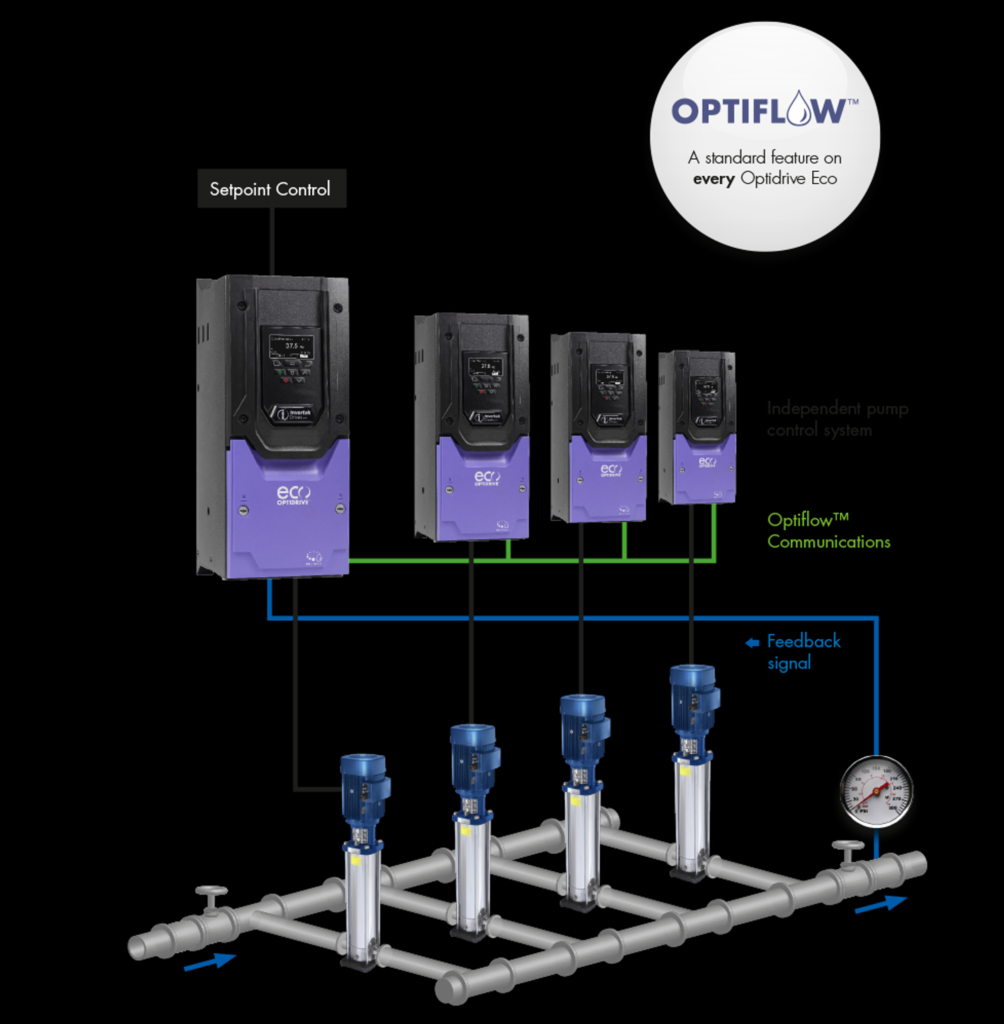
Frequency inverters for pumps provide the ability to adapt operation to existing needs, reducing energy consumption and stress on equipment.

  1. Load matching: Adapts pump speed to actual water consumption, ensuring efficient system operation.
  2. Energy saving: Reduces electricity consumption by preventing the pump from operating at excessive speeds when not necessary.
  3. Pump protection: Gentle pump startup and shutdown extend the operating life of mechanical equipment.
  4. 24/7 monitoring: Continuous monitoring of pump status and performance allows for quick response to potential problems and wear.
  5. Parameter adjustment: Allows changing pump operating parameters based on network pressure changes or system requirements. These functions not only reduce operating costs but also improve the quality of equipment operation.

By applying frequency inverter technology, a very high efficiency of water supply processes can be achieved. Frequency inverters for water pumps reduce noise and vibrations. They optimize pump speed, reducing motor load and ensuring quieter operation. Vibrations are reduced due to the regulation of oscillation intensity, which increases pump longevity and efficiency. A properly set frequency range allows operation without excessive speed fluctuations, reducing noise. Frequency inverters also have special functions and algorithms designed to manage noise and vibration, ensuring quieter and more efficient system operation.

Water Industry

The water industry accounts for 11.5% of global frequency inverter usage. The aforementioned features improve energy efficiency, optimize system operation, and reduce pump maintenance costs. They also help prevent energy waste, reduce pipeline pressure, and extend equipment service life. They are often used in water supply and circulation systems, water treatment, and wastewater facilities.

Frequency inverter usage

Frequency inverters convert standard factory power (230 V or 400 V, 50 Hz) into adjustable voltage and frequency, which powers the AC motor and regulates its speed. Compared to conventional systems that use flow control valves, frequency inverters reduce energy consumption and operating costs by matching the pump or fan speed to actual demand.

This also extends the service life of pumps and other equipment by preventing unnecessary wear and reducing stress on mechanical components such as valves and shaft seals.

With increasing awareness of energy saving, frequency inverters are widely used in the water industry to prevent energy waste and improve operational performance. A study conducted on six water supply systems using frequency inverters showed that the new technology saved energy (50+) by 15%, water (20+) by 5%, and 10% less heat, with a payback period of 5-7 months.

In addition to energy savings, frequency inverters extend the service life of water pumps by reducing their speed. Operating at lower speeds, they eliminate sudden starts and stops that can damage mechanical components and lead to costly maintenance. They can even eliminate hydraulic shocks by limiting the pressure generated by the pump.

Also, a frequency inverter can maintain only the pressure required to meet the needs of the water system, thus preventing excessive pressure. This helps ensure the best system service and fewer problems, such as water leaks and premature switch failure or fuse blowout. The frequency inverter also helps protect the environment by reducing the environmental impact of water pollution.

Selecting a Frequency Inverter

When selecting a frequency inverter for water pumps, it is important to consider the pump’s maximum power requirement and motor voltage level. By evaluating these parameters, appropriate speed control capabilities can be chosen to ensure efficient energy utilization, improve pump operating efficiency, and extend its service life. The power of the frequency inverter should be adapted to the specific needs of the pumping system, taking into account the anticipated load and operating frequency. When choosing a frequency inverter, it is important not to exceed economic limits, but also not to ignore energy efficiency. Frequency inverters with built-in advanced energy-saving functions, such as automatic energy optimization, allow for reduced operating costs, increasing the overall performance of the system.

Power and Current Requirements

In the selection of a frequency inverter, adaptation to the specific power and current specifications of the pump plays a decisive role.

  1. Maximum pump power: The power rating of the frequency inverter must meet or exceed the maximum power consumed by the pump.
  2. Rated motor current: A frequency inverter must be selected whose rated current is equal to or greater than the motor’s rated current.
  3. Peak loads: It is important to consider potential peak loads that may exceed nominal values, so an appropriate reserve must be provided when selecting a frequency inverter.
  4. Operating frequency: When selecting a inverter, it is important to evaluate the optimal operating frequency that is compatible with the pump’s characteristics.
  5. Energy efficiency: When selecting a frequency inverter adapted to the pump, it is also necessary to analyze its energy efficiency indicators. By choosing an optimal frequency inverter, smoother motor and pump operation and effective control of current consumption can be achieved.

A properly selected frequency inverter reduces energy consumption and helps ensure the long-term efficiency of the entire pumping system.

Pump Type Compatibility

Compatibility is a crucial criterion for motor operation. The selection of a frequency inverter begins with a detailed analysis of the pump type. Centrifugal, diaphragm, rotary, or screw pumps have specific operating characteristics that determine the motor speed and power requirements. Therefore, when choosing a frequency inverter, it is essential to ensure that it meets the needs of the specific type of pump. The range of the selected frequency inverter must match the pump’s characteristics.

To achieve optimal results, it is necessary to select a frequency inverter that effectively controls the pump’s operation. This means that the inverter must have sufficient control range and power to adapt to various pumping conditions and loads.

Thanks to technological advancements and innovations, modern frequency inverters feature advanced algorithms. They allow for precise tuning of pump operation according to needs, ensuring efficient water or other liquid supply and optimization of energy consumption. However, it is always necessary to ensure that the chosen frequency inverter meets energy efficiency standards and the pump’s technical requirements.

Installation

Frequency inverter installation begins with selecting an appropriate location, considering electromagnetic compatibility requirements. It is important to ensure good air circulation for device cooling. During installation, proper configuration of voltage and motor protection is crucial to avoid potential electrical network or equipment failures. It is necessary to ensure that the device is connected according to the specifics of the operating environment and all manufacturer’s instructions. After installation, it is necessary to perform system diagnostics and calibration. A properly calibrated frequency inverter will ensure more efficient pump control.

Electrical Installation Preparation

Preparation of the electrical installation is important for the efficiency of the frequency inverter’s operation. It is crucial to prepare a detailed installation plan that complies with standards. Attention must also be paid to quality wiring connections and proper placement of devices. The cables and connectors used must meet quality criteria. Installation work requires appropriate measuring tools and certified specialists. After completion of the work, inspections and tests must be carried out to ensure synchronous operation of the frequency inverter and the pump.

Safety Requirements

The installation of frequency inverters should comply with all applicable EN 60204-1 and IEC 61800-5-1 standards. This is an essential safety condition for frequency inverters. Properly designed, installed, and maintained protective measures guard against electric shocks, overheating, and mechanical damage. All protective devices must be periodically inspected and tested.

During work, an appropriate safe distance of equipment from other objects must be ensured, and necessary warning signs must be in place. It is also important to provide for quick disconnection capabilities for emergency situations. During the operation of frequency inverters, regular professional technical maintenance and audits are mandatory to ensure continuous device safety. Furthermore, employees must be trained in the correct use of the equipment, the safety of controlled systems directly depends on their proper installation and maintenance.

Frequency Inverter Maintenance and Troubleshooting

Professional maintenance of a frequency inverter is essential to ensure long-term device operation and system efficiency. Periodic cleaning and monitoring of voltage and temperature help identify potential signs of failure before they occur. The frequency inverter should also be checked for loose connections and insulation damage, and updates should be performed in accordance with manufacturer’s instructions.

The troubleshooting process begins with a detailed diagnosis of the frequency inverter to determine the cause of the malfunction. Often, software updates for the device also need to be installed. A professional must analyze and interpret error codes, which help direct troubleshooting in the correct direction. It is strongly recommended to rely only on diagnostics and repairs performed by qualified technicians, avoiding even greater system damage.

Summary

Frequency inverters are an indispensable part of innovative energy, allowing for the optimization of electricity consumption in water pumps. They ensure efficiency, reduce operating costs, minimize noise and vibrations, and increase equipment service life. This article discusses the advantages of frequency inverters, their importance for water pumps, selection, installation, maintenance, and troubleshooting.

To select the right frequency inverter, it is important to consider the pump’s power and current requirements and its type compatibility. When installing a frequency inverter, attention must be paid to proper electrical installation preparation and adherence to safety requirements. Regular inspection and maintenance help ensure long-term device operation, while troubleshooting requires a professional approach.

If you wish to select the right frequency inverter for your water pumps, contact us. Our specialists will help you choose the optimal solution and answer all your questions in just a 15-minute conversation.

Products mentioned in the article
Produkcija
Optidrive P2
Maximum capabilities

0.37-22 kW, 110-480V
Single-phase input and output
Produkcija
Optidrive E3
Vector Drive for Standard Applications

0.37-22 kW, 110-480V
Single-phase and three-phase input
Produkcija
Optidrive Eco
For Water Pumps and Fan Control

0.75 - 250kW, 200-600V
Single-phase and three-phase input
Consultation

Professional consultation when choosing a product from a wide market selection.

Reliability

SIMEKSA provides top-quality automation components and professional expertise.

Quality

We offer only tested and reliable products. We collaborate with a number of well-known manufacturers from around the world.

Good Price

We always strive to offer our clients the highest quality equipment at a favorable price. It is important for us to understand your needs and receive feedback.