Frequency Inverters for Electric Motor Control: Efficiency and Economic Benefits

Electric motors with frequency converters are an essential part of modern industrial equipment, enabling efficient control of motor speed. The challenge is that frequency converter systems are complex and require extensive technical knowledge. By optimizing motor operation, frequency converters play a crucial role in reducing energy consumption and noise levels. However, the use of frequency converters can introduce additional electrical installation challenges.

To properly integrate an electric motor with a frequency converter, it is essential to consider motor power characteristics, converter settings, and potential electromagnetic compatibility issues. An improper combination of these parameters can negatively affect the operational efficiency of the entire system.

Advantages of Electric Motors

Electric motors with frequency converters offer greater energy saving potential. This technology allows for precise control of motor speed based on load requirements, consuming less energy at low loads. They are particularly useful in industrial sectors where variable speed and torque control are required. For example, pumps, fans, or conveyors, when operating with a frequency converter, can efficiently regulate their operation according to circumstances, reducing unnecessary energy waste and the risk of failures. Motor efficiency is also increased due to smoother starting and stopping. Furthermore, mechanical wear is reduced, equipment lifespan is extended, and maintenance becomes easier.

Energy Saving

The benefits are clear: frequency converters reduce energy consumption by adaptively responding to changing load demands. The motor’s operating mode is selected for maximum efficiency, conserving resources. Unnecessary energy consumption decreases, leading to both economic and ecological advantages. Thanks to frequency converters, we can achieve up to 50% energy savings compared to traditional electric motors operating at constant nominal parameters. This is due to a coordinated motor control system that maintains optimal rotational speed based on real-world usage scenarios.

Frequency converters can transform electrical energy into saved funds.

By using motors with frequency converters, it is possible to fundamentally alter the operating characteristics of motors, i.e., the dynamics of load response. This not only reduces electricity consumption but also provides an opportunity to improve production processes, as motor control becomes precise and flexible. Optimization brings not only energy savings but also process efficiency.

Increasing Operational Efficiency

Electric motors with frequency converters enable the improvement of equipment operation and increase their efficiency by optimizing energy consumption.

      • Energy saving – the ability to adjust motor speed as needed.
      • Lower operating costs – reduced system wear due to smoother motor start-up and braking procedures.
      • Flexibility in changing operating modes – quick and efficient adaptation to different production conditions.
      • Smart energy consumption monitoring – data analysis helps identify and eliminate energy losses.

By adjusting motor speed in real-time based on the load, we can significantly reduce energy waste and increase the operational efficiency of equipment. Using frequency converters, we can easily adapt motor operation to the specifics of technological processes, thereby ensuring the efficiency of not only energy but also the entire production process.

Principle of Frequency Inverter Operation

A frequency converter is an electronic device that changes the input voltage and frequency, allowing for the regulation of an asynchronous motor’s rotational speed. In the initial stage, the device converts the input alternating current (AC) into direct current (DC). Subsequently, using voltage and current converters and controllers, an output current with variable frequency is generated, adjusted according to the motor control requirements. This allows for the creation of optimal motor start-up and operating conditions, contributing to energy savings and reducing mechanical wear of equipment.

Thanks to frequency converter control algorithms, new generation devices are capable of not only regulating motor speed but also optimizing phase balancing, thus ensuring more efficient energy use and reduced noise. Modern models use advanced axis position determination methods, which are important in precise industrial applications and supply network synchronization.

Frequency Regulation

The use of frequency converters in electric motors is a fundamental technology that ensures flexible and efficient control of rotational speed. When the frequency increases or decreases, the motor’s rotor operating speed changes, allowing for adaptation to various production technologies. Frequency regulation enables the optimization of electric motor operating efficiency. This creates opportunities for energy saving and process control. By regulating the frequency, the motor’s rotational speed can be adjusted very precisely. This allows for achieving the desired operating cycle mode, corresponding to technological process requirements.

To ensure smooth motor operation, it is important to select the appropriate frequency converter. This ensures optimal rotational speed and acceleration, which is crucial for tasks in various industrial sectors. The regulation process requires a high level of automation and intelligent control. Depending on the load and duty cycle, the frequency converter automatically adjusts the motor speed, ensuring efficient functioning of industrial equipment. Frequency converters also perform a protective function, preventing peak loads. This guarantees a longer service life for the electric motor and lower maintenance costs.

Motor operation with frequency inverter and motor cooling specifics

For efficient operation of an electric motor with a frequency converter, its cooling process is extremely important. When the motor’s rotational speed is regulated by a frequency converter, the heat it generates also changes. Therefore, it is important to choose an appropriate cooling system, taking into account the motor’s operating mode characteristics and environmental conditions. A proper cooling system ensures the motor’s longevity, protects its components from overheating, and helps maintain high energy efficiency. Frequency converters also affect the operation of the motor’s cooling fan, which often rotates proportionally to speed regulation. This means that at low motor speeds, the fan’s rotational speed also decreases, which may be insufficient for effective cooling. Therefore, some motors are equipped with additional cooling devices that ensure constant cooling independent of rotational speed.

Synergy of Electric Motor and Frequency Converter

The electric motor and frequency converter are inseparable components that create highly efficient systems in modern industry. Their combination allows for precise control of motor speed, ensuring its optimal use and energy consumption. This synergy is important for protecting the motor from overloads and ensuring longevity. Frequency converters allow for smooth motor start-up, reducing mechanical stress. However, synchronizing the operation of the motor and frequency converter presents additional challenges. For example, it is necessary to ensure proper setting of frequency converter parameters according to motor specifications to avoid undesirable resonances or vibrations that could shorten the motor’s operating life.

Another important aspect is the reduction of electromagnetic interference generated by frequency converters. Special filter systems can reduce these disturbances, ensuring the stability of the entire system and minimizing the risk of electrical current fluctuations. An efficiently configured motor with a frequency converter also helps reduce electricity consumption by optimizing motor operation according to load changes. This means that a motor with a frequency converter can automatically change its speeds, adapting to real operating conditions. Nevertheless, it is important to evaluate potential problems with the synergy of the electric motor and frequency converter. Proper tuning and adjustment may require technical maintenance and the intervention of qualified specialists to avoid possible malfunctions or improper operation.

Increasing Motor Efficiency

Optimal efficiency of an electric motor with a frequency converter is achieved through proper configuration and control.

      1. Initial motor characteristics analysis: precise knowledge of motor parameters such as power, torque, and speed allows for optimized operation.
      2. Frequency converter settings adjustment: by setting optimal frequency converter parameters, electricity consumption can be reduced and motor efficiency increased.
      3. Load management: changing motor speed in response to load fluctuations ensures energy savings and longer motor life.
      4. Maintenance mode establishment: regular technical maintenance and preventive measures ensure longer and stable motor operation. The correct selection of a frequency converter allows for efficient adaptation of power supply according to motor load.

Increasing motor efficiency not only reduces costs but also contributes sustainably to environmental protection.

Industrial Application Examples

Industrial Application Examples (NEMA)

Electric motors with frequency converters are widely used in various industrial sectors where precise speed regulation and optimization of energy consumption are required. In the metal processing industry, frequency converters are used with CNC lathes and milling machines to ensure the highest machining precision and machine efficiency. In the food industry, they are essential in transport lines to maintain a constant product movement speed, which is crucial for consistent product quality and freshness. In the packaging industry, frequency converters enable speed control in packaging processes where rapid adaptation to different packaging tasks is required. In the energy sector, especially with renewable energy sources, electric motors with frequency converters allow for efficient control of generator speed and the amount of energy generated, thus contributing to a stable electricity supply system.

Automation Solutions

Automation solutions with electric motors and frequency converters are an essential part of increasing industrial efficiency.

      1. Process control: By using frequency converters, motor speed can be precisely regulated, which is essential in automated production lines.
      2. Energy efficiency: The application of frequency converters allows for reduced electricity consumption and improved equipment operating efficiency.
      3. Prevention of emergency situations: By integrating monitoring systems, frequency converters help detect potential motor failures early.
      4. Flexibility in changing production modes: Frequency converters facilitate quick transitions between different production modes without long downtimes.
      5. Diagnostic functions: Modern frequency converters provide detailed information about motor condition and production process specifics. By implementing frequency converters, not only can resources be significantly saved, but a higher quality of production can also be ensured.

Modern frequency converters are complex electronic systems with numerous functions that help implement advanced automation projects.

Energy Sector

In the energy sector, the efficiency of electric motors is a critical issue, as energy consumption is one of the main cost elements. Properly selected frequency converters can significantly contribute to optimizing energy consumption, reducing overall operating costs. Using frequency converters can extend the operating life of equipment. Reduced mechanical impact slows down wear and tear.

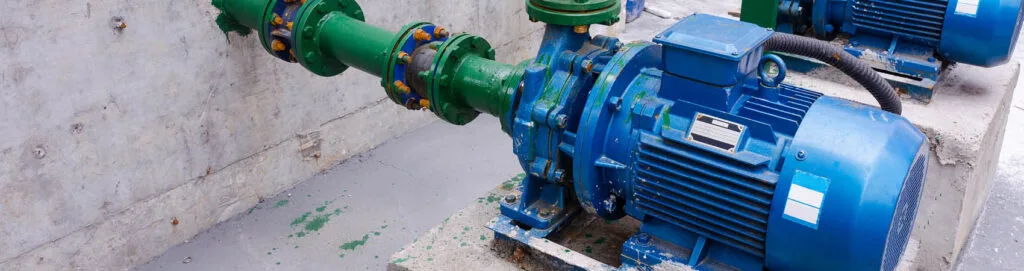
For example, the application of frequency converters in pumps and fans can significantly reduce energy consumption. By directly regulating speed, unnecessary electricity waste is avoided. Frequency converters not only help reduce energy costs but also make the operating cycles of any industrial equipment more consistent and stably controlled, thus increasing overall operational productivity.

Aiming for ecological sustainability, companies in the energy sector strive to reduce carbon dioxide emissions by implementing frequency converters. This measure is becoming increasingly relevant in the context of renewable energy sources.

Even under the most unfavorable operating conditions, frequency converters ensure motor operation in optimal modes. Modern control systems allow for quick and efficient response to any changed operational circumstances.

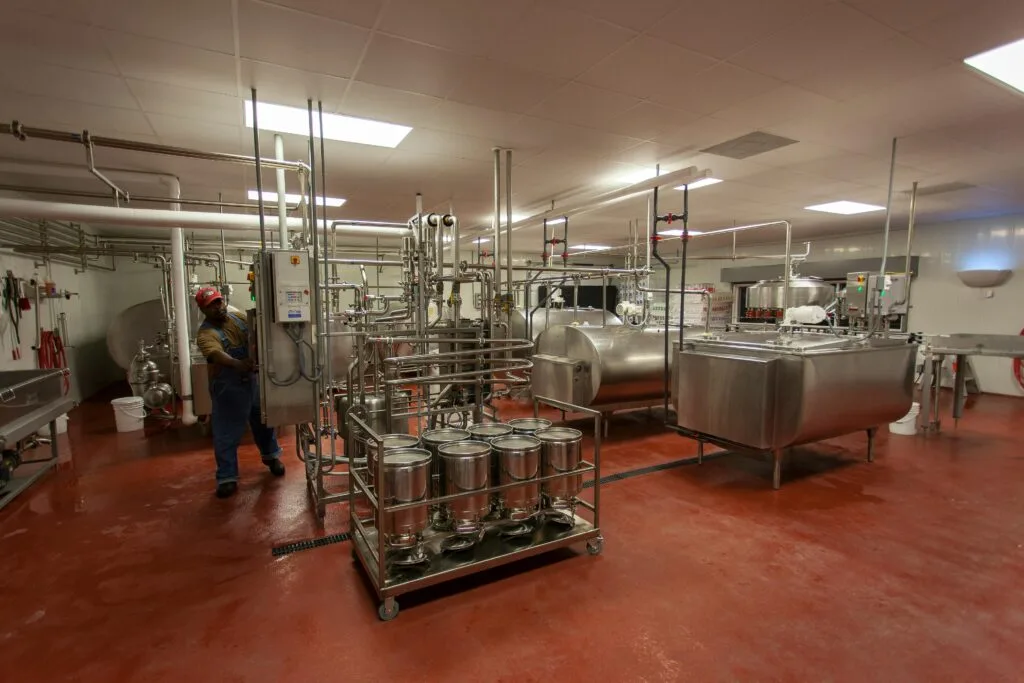
factory processing line

How Does Electric Motor Control Work?

Electric motor control is a very important topic in electrical engineering. A little understanding of it can be useful if you want to better understand how these motors work. Let’s start from the beginning. Electric motor control is based on the principle of electromagnetism. These motors operate according to Faraday’s law of electromagnetic induction. This means that when current flows through the armature, a magnetic field rotates, which interacts with the stationary poles and creates a torque.

This torque gives the electric motor the ability to move. However, for this to happen, the electric current flowing through the motor’s armature needs to be properly controlled. This is done using a control circuit or an electronic control unit. This control unit receives a signal from the control system and processes it. This can be a signal from an operator or from a sensor that measures a variable quantity, such as speed, temperature, or position. After processing the signal, the control unit decides how much current is needed for the electric motor to operate correctly. This is determined by the current situation and the desired response from the motor.

Finally, the control unit sends the controlled current to the motor’s armature, creating a magnetic field and ensuring that the electric motor operates in the desired manner. This process occurs continuously, controlling the electric motor and ensuring its efficient operation. Since electric motors can be of various types and may have different control circuits, the details of this control process may vary. However, the fundamental principle by which electric motors are controlled remains the same. Electric motor control is very important in the engineering world and is used in various fields, such as industry, vehicles, home electronics, etc. Understanding how electric motor control works can help to better understand the operation of these systems and improve their efficiency.

Is a specialist required to implement this technology?

Often, the implementation of this technology requires a specialist. Despite the fact that some people may be skilled in certain technological areas, for specific equipment or systems, it is still recommended to engage a specialist who is experienced and capable of effectively implementing this technology. This will ensure that the implementation is carried out correctly, and the technology will operate optimally and safely. A specialist will also be able to provide advice and assistance when difficulties arise or when the technology needs to be updated in the future. Therefore, in most cases, you should consult a specialist to ensure the best outcome for technology implementation.

If you wish to learn about possible solutions, contact us. Our team and specialists will advise and recommend a solution using the best practices in the market. Follow our LinkedIn page for the latest news and exclusive product offers. We are here to help you find the best automation solutions tailored to your needs.

Produkcija

Single-phase Optidrive E3

Variable Frequency Drive for Single-Phase Motor Control

0.37-22 kW, 110-480V
Single-phase input and output
Produkcija

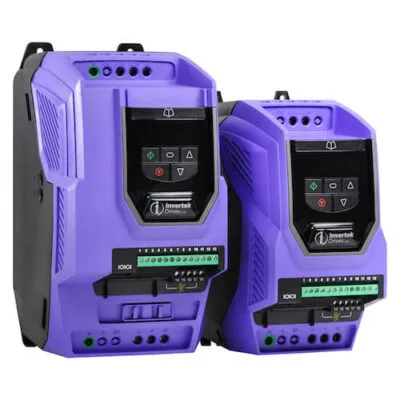
Optidrive E3

Vector inverter for standard applications
0.37-22 kW, 110-480V
Single-phase and three-phase input
Produkcija

Optidrive P2

Premium capabilities

0.75 - 250kW, 200-600V
Single-phase and three-phase frequency inverter
Produkcija

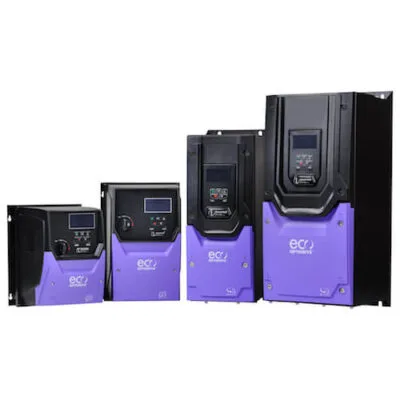
Optidrive Eco

For Water Pumps and Fan Control

0.75 - 250kW, 200-600V
Single-phase and three-phase input